
Exclusive Coastal Resorts and Gourmet Culinary Experiences
Limassol and Paphos are well placed for combining time by the sea with short trips into the Cypriot countryside. Both cities have waterfront hotels, restaurants and easy road access inland, so a day can move from breakfast by the water to a village lunch and back for dinner. That works well for travellers who want hotel comfort but still want to eat and drink beyond it.
The south coast gives food and wine a natural place in the itinerary. Seafood, halloumi, village bread, olives and grilled meat are easy to find, while the hills behind Limassol lead into vineyard country. A hotel terrace may host one meal, and a stone-built taverna in a wine village the next.
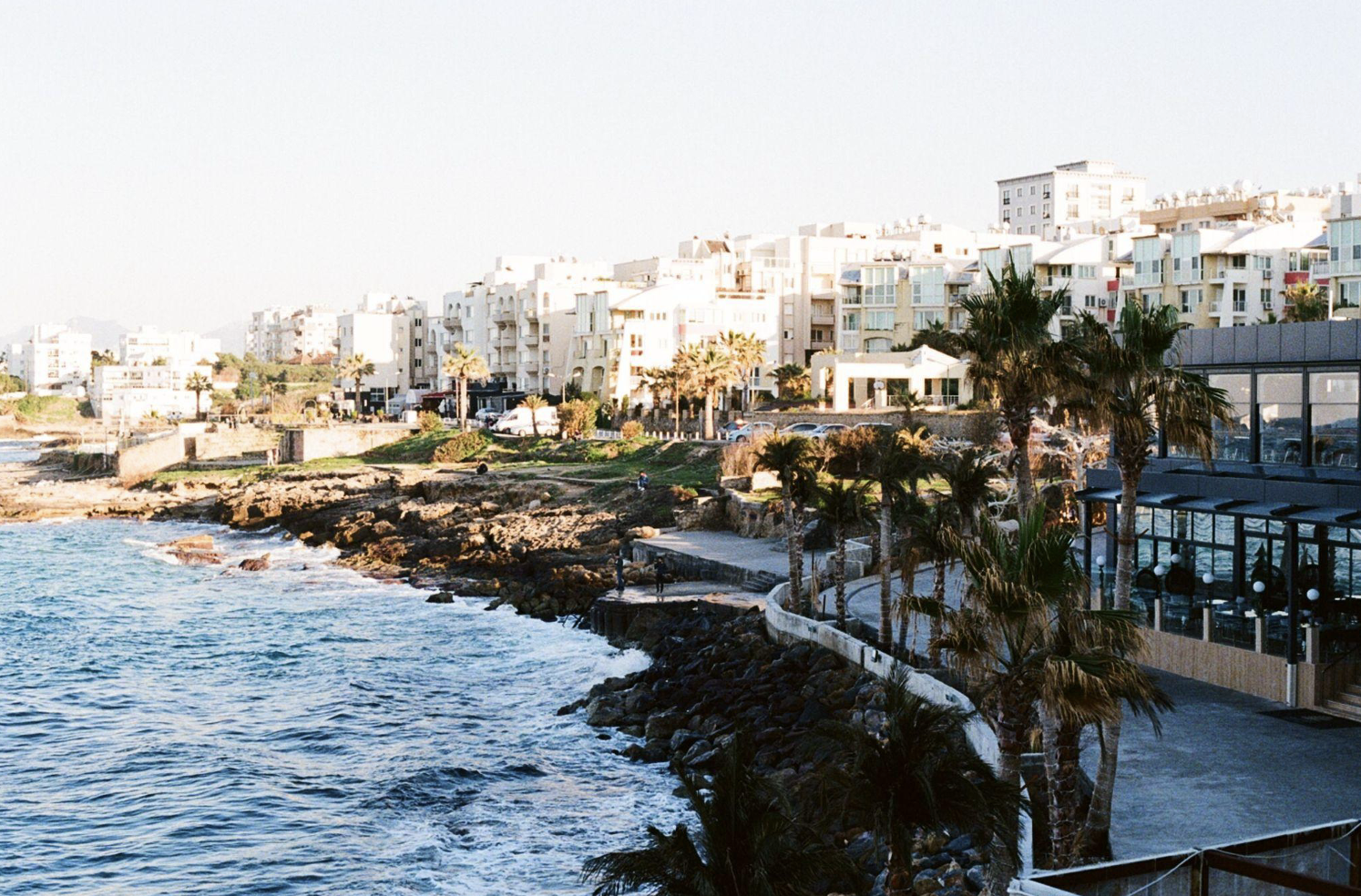
Limassol as a Base for Food and Wine
Limassol is easy to combine with day trips. The eastern side has a long run of seafront hotels and restaurants, while the centre adds the marina, old town streets and plenty of dinner options. Behind the city, roads rise towards villages such as Vouni, Koilani, Omodos and Vasa.
The change in landscape happens quickly once the coast is left behind. Busy roads give way to vineyards, stone houses and village squares with shaded tables. The Krasochoria route brings wineries, traditional architecture and tavernas into one compact area.
A Resort Day, Meal by Meal
Breakfast sets the pace for the rest of a resort day. Fruit, eggs, local cheese, bread and coffee work well before the heat builds, particularly when the hotel has an outdoor terrace or shaded courtyard. Hotels that include Cypriot products at breakfast make it easy to try local flavours before seeking them out elsewhere.
Lunch on the coast usually centres on fish, prawns, salads, grilled meat and cold drinks. This is also a good time for local white wine, especially Xynisteri, which is widely grown in Cyprus and typically produces pale, light wines. By dinner, the cooler evening temperature suits a longer meal outside and a more detailed menu.
For guests staying in Limassol, Punin Wine is a useful stop for bottles and food to keep at a villa, apartment or hotel room with a terrace. Its Cyprus catalogue covers wine, Champagne, sparkling wine, spirits, cigars, cheese, meat delicacies, snacks and wine accessories, with more than 7,000 products across the wider range. That gives travellers plenty of choice for a late meal, an aperitif before dinner or a bottle to bring back after a day inland.
Cyprus has seven official wine routes, and several are accessible from the main resort areas on the south and west coasts. The Limassol wine-village route passes through 20 villages and includes 16 wineries, while the Commandaria route crosses the hills where the island’s historic sweet wine is produced. These routes can be fitted into a day away from the coast without changing hotels.
From Breakfast to Late Drinks
Meals naturally move through different settings over the course of a resort day. Breakfast is usually easiest on the hotel terrace, lunch shifts towards the beach or pool, and dinner brings people back to the main restaurant or somewhere in town. The table below shows a typical sequence and the food and drinks that fit each part of the day.
| Time | Typical setting | Food to look for | Drinks |
|---|---|---|---|
| Breakfast | Terrace or garden | Fruit, eggs, bread, local cheese | Coffee, juice |
| Lunch | Beach or pool restaurant | Fish, salads, halloumi, grilled dishes | Xynisteri, rosé |
| Afternoon | Pool, room or beach | Fruit, nuts, small snacks | Water, soft drinks |
| Dinner | Main restaurant or terrace | Seafood, meat, seasonal dishes | Cyprus wine, Champagne |
| Late evening | Balcony or hotel bar | Cheese, fruit, dessert | Commandaria, sparkling wine |
The Wine Villages Behind the Coast
The Limassol wine villages sit on the southern slopes of the Troodos range and have a long association with viticulture. Xynisteri and Mavro remain important local grapes in this part of the island, although wineries also work with Cabernet Sauvignon, Syrah and Grenache. The official route links villages with wineries, narrow streets, old houses and tavernas, so lunch and tasting can be combined in the same area.
Commandaria has its own route and a more specific geography. Fourteen villages form the production area, at elevations of roughly 500 to 900 metres, and both Xynisteri and Mavro are used for the wine. The grapes are harvested late and dried in the sun before pressing.
Omodos is easy to include in a first trip from Limassol. Its central square is surrounded by cafés and tavernas, and the surrounding streets are compact enough to explore before lunch. Vouni and Koilani offer quieter stops nearby, so more than one village can fit into the same day.
What to Check Before Booking a Coastal Resort
Menus and opening hours can tell you a lot about the food side of a stay. Some properties have several similar restaurants, while others offer a seafood restaurant, a strong breakfast and local bottles on the wine list. Checking those details in advance also helps with planning meals outside the hotel.
Useful things to look for include:
● current restaurant menus with prices
● local wines listed by producer or grape
● a casual lunch option near the beach or pool
● breakfast served outdoors or on a terrace
● nearby tavernas reachable by taxi or a short drive
● room service or a usable fridge for drinks and snacks
● opening days outside peak season
Season also matters on the coast. Some restaurants reduce hours outside the busiest summer months, while inland tavernas and wineries may follow different weekly schedules. A quick check before driving into the hills can save arriving on a closed day.
Wine at Dinner
A Cyprus wine list often mixes local bottles with French, Italian and other international labels. Xynisteri appears frequently among the whites, while Maratheftiko is one of the local red grapes worth looking for. Commandaria usually sits with dessert wines and is commonly served at the end of a meal.
Grilled sea bass, prawns, octopus and salads are often paired with local whites, rosé or sparkling wine during the warmer months. Meat dishes and richer evening menus bring more red wines into play, including bottles from Cyprus and other Mediterranean regions. Staff can usually point out producers from nearby villages if the restaurant has a strong local selection.
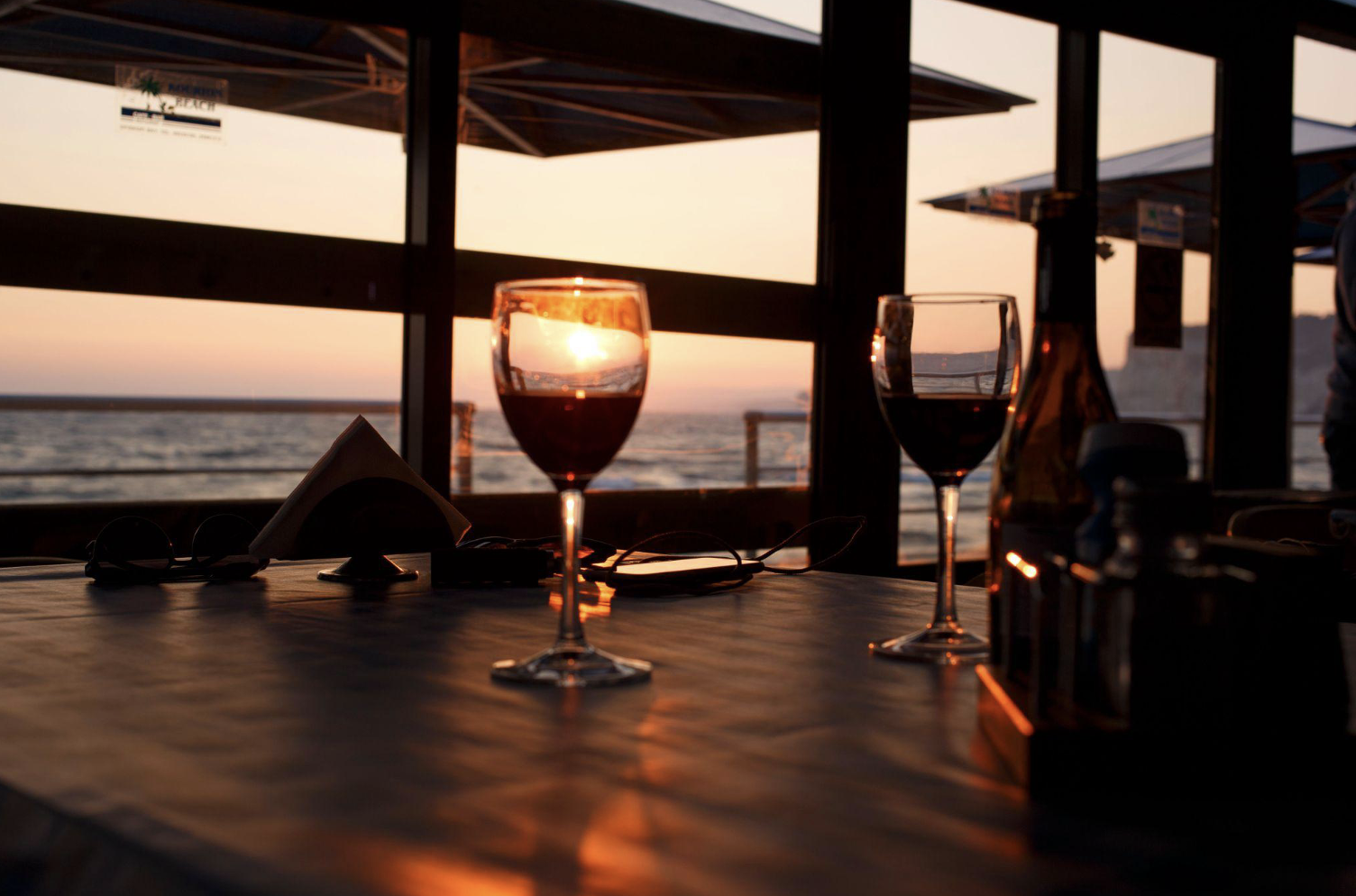
One Evening Away from the Resort
A resort restaurant can cover several nights, but one evening in a local taverna changes the setting. Tables are often closer together, dishes are designed for sharing, and dinner may stretch over several rounds. In villages and older neighbourhoods, this is also where traditional Cypriot cooking is easiest to encounter.
Cypriot meze develops gradually across the table. Dips, olives, salads, halloumi and vegetables may be followed by grilled meat, sausages, potatoes and other hot dishes depending on the restaurant. Fish meze follows the same idea on the coast, replacing much of the meat with seafood.
The choice often comes down to where you are staying. From Limassol, village tavernas in places such as Omodos, Vouni or Koilani can be combined with a drive through the wine country, while the coast has plenty of fish restaurants for an evening closer to the hotel. Both give a clearer sense of local cooking than spending every night in the same resort dining room.
A Few Days Between Coast and Hills
A four- or five-night stay gives enough time to alternate between the resort and the countryside. One day can stay entirely by the sea, another can run through the Limassol wine villages, and a third can include the old town or marina before dinner. Paphos offers a similar balance, with western wine routes and inland villages within reach of the coast.
Food ends up marking the route through the trip. Breakfast belongs to the hotel terrace, lunch might happen beside a vineyard, and dinner can return to the water after sunset. By the end of the stay, those meals often provide the clearest memory of where each day was spent.
Most inland trips from the coast fit comfortably into a single day. You can leave after breakfast, stop in one or two villages for lunch and a winery visit, and be back by early evening. For a four- or five-night stay, one or two days like this are enough to see a different side of Cyprus without spending most of the holiday on the road.