
Hidden Regional Foods in Spain That Are Worth Traveling For
This is a guest post
Spain’s culinary landscape is vast and diverse, offering flavors that go far beyond the dishes featured on mainstream menus. While cities are known for popular tapas and paella, the true treasures lie in the regions where recipes have been passed down through generations. Exploring these areas uncovers meals shaped by local ingredients, traditions, and the geography of each province. From coastal villages to mountain towns, Spain offers hidden culinary gems that are worth every journey.
Having a Spain travel eSIM makes it easy to navigate these regions and stay connected, especially when venturing into rural towns where connectivity can be patchy. For added security when accessing maps, bookings, or public Wi-Fi, using an ios vpn can help protect your data while on the move. With maps, restaurant reservations, and local guides accessible on a device, travelers can focus on experiencing the food rather than worrying about logistics.
Galicia: Seafood Beyond the Ordinary
Galicia’s dramatic coastline is famous for seafood, but beyond pulpo a la gallega, there are treasures that most travelers miss. Small fishing villages serve dishes that reflect centuries of maritime heritage.
Hidden Seafood Gems
Percebes: Barnacles harvested from cliffside waves, enjoyed for their unique briny taste.
Navajas: Razor clams sautéed with garlic that deliver a delicate flavor.
Caldo de Glorias: Seasonal soup enriched with local vegetables and seafood.
Asturias: Mountains Meet Comfort Food
Asturias is known for its lush hills and dairy-rich farms. While fabada asturiana is famous, hidden regional dishes offer a richer understanding of local flavors. Pitu de Caleya, a free-range chicken stew, simmers in a flavorful broth. Tortos de Maíz, corn cakes topped with cheeses or meats, showcase the region’s rustic charm.
Traditional cider houses complement these meals, pairing local beverages with each dish. A Spain travel eSIM allows instant access to cider house locations, seasonal menu changes, and navigation through remote mountain roads. This convenience lets travelers uncover hidden culinary spots without missing a single detail.
Castilla y León: Timeless Towns and Deep Flavors
Vast plains and centuries-old inns set the stage for Castilla y León’s culinary treasures. Hidden dishes include Sopa de Ajo, garlic-based soup; Lechazo, young lamb roasted in clay ovens; and Botillo del Bierzo, spiced pork cuts preserved in sausage. Regional wines like Ribera del Duero complement these dishes, enriching every bite.
Aragon: Hearty Flavors From Dry Lands
Aragon may be overlooked, yet its cuisine is deeply rooted and bold. The landscapes inspire dishes that are hearty and simple.
Signature Regional Dishes
Ternasco de Aragón: Roasted lamb with tender meat and crisp skin.
Pollo al Chilindrón: Chicken slow-cooked in a pepper and tomato sauce.
Migas Aragonesas: Crumbled bread revived with drippings, garlic, and sometimes grapes or sausage.
Extremadura: A Legacy of Iberian Pork
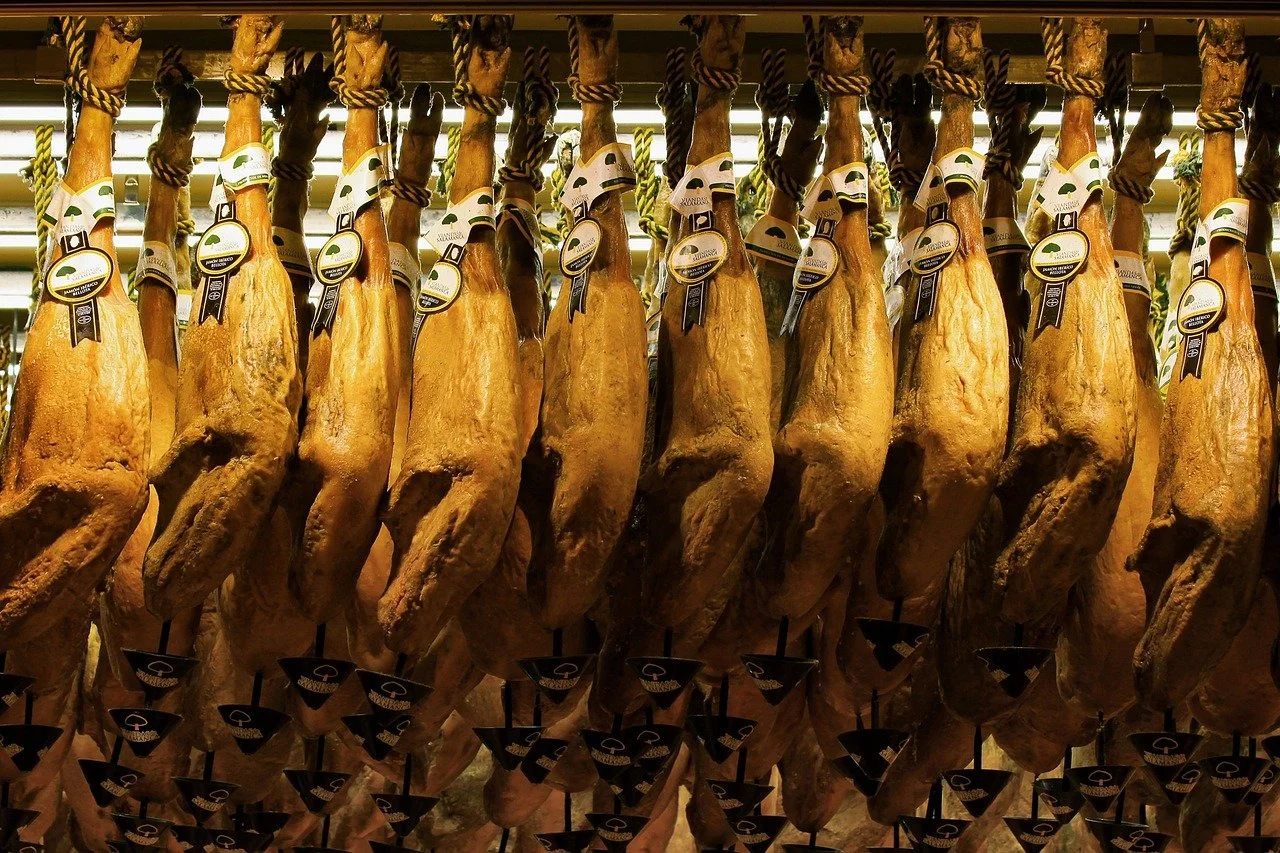
Extremadura’s cuisine reflects rural life, forests, and the region’s pork heritage. While jamón ibérico is celebrated, lesser-known dishes give a deeper insight into the culture. Pringá, a mix of slow-cooked meats spread on bread, highlights the rich flavors of preserved pork. Cochinillo de Extremadura offers tender roasted suckling pig, and Caldereta de Cordero is a lamb stew perfect for cooler evenings. These dishes celebrate old-world techniques that have survived for centuries.
Valencia: Beyond the Paella
Valencia is synonymous with paella, but the region’s true culinary personality is revealed through lesser-known dishes. Titaina, a tomato and pepper dish, pairs with fresh bread for a simple yet memorable meal. All i Pebre, an eel stew from the Albufera wetlands, combines smooth textures with subtle spice. Arnadí, a pumpkin and almond dessert, reflects Moorish influence and local ingredients.
Andalusia: Moorish Echoes and Rural Elegance
Andalusia’s culinary offerings blend spices, fresh produce, and slow-cooked tradition. Lesser-known dishes showcase centuries-old influences and rural pride. Caracoles, spiced snails served seasonally, highlight creativity in simple ingredients. Pipirrana, a refreshing tomato salad, balances richness with lightness. Choto al Ajillo, garlic-infused goat meat, reflects rustic Andalusian techniques.
Northern Spain: Navarra and Basque Culinary Adventures
Northern regions emphasize fresh, seasonal ingredients and inventive preparations. Dishes often revolve around local produce and seafood. Piquillo peppers stuffed with seafood or meat create delicate bites. Kokotxas, gelatinous fish cheeks in green sauce, are luxurious and refined. Marmitako, a tuna and potato stew, highlights simplicity and depth. Markets and small eateries are easier to locate using a Spain eSIM, keeping travelers connected while exploring northern Spain’s intricate food landscape.
Spain’s hidden regional foods offer more than just a meal; they tell stories of place, history, and tradition. Traveling for these flavors requires preparation, especially when venturing off the beaten path. A Spain travel eSIM becomes an essential tool, keeping maps, reservations, and culinary notes readily available while navigating remote towns, coastal villages, and mountain hamlets. With this technology, every culinary adventure across Spain becomes seamless, allowing travelers to fully immerse themselves in flavors that are rarely discovered but unforgettable.