
The 12 Treasures of Spain : The Most Important Monuments in Spain (According to Spaniards)
The other day I stumbled upon something and fell into a rabbit hole. It was an old report on the “12 Treasures of Spain”, something akin to the Seven Wonders of the World, but the Spain only version. After digging in a little deeper, it looks like the source was a competition put on by some of the principal Spanish media companies, Cope and Antena 3, back in 2007. They organized a public vote to name Spain’s own list of treasures, and I’m so thankful that ancient websites still exist that contain this kind of freaky, detailed, and freakily detailed information.
Basically, there were nearly 10,000 nominations about Spain’s most famous landmarks from the public, followed by three phases of popular voting, first narrowing the list down to 100, then narrowing it down to 20 in order to choose the final 12 on December 31, 2007. I’m sorry, that sound like so much fun!
I find the list to be a wonderful map of some of Spain’s most impressive monuments, and a very different way to allow oneself to be guided through the country. The main byproduct of algorithms and AI is sameness, and this glorious, popularly voted list offers an old-but-new travel list that I just had to share with you.
This post was originally a newsletter…click here to get things like this delivered straight to you, if you like it :)
So, here, according to Spaniards, are Spain’s national treasures, and a little bit about these cultural landmarks of Spain. This is going to be a long one, but I hope you enjoy!
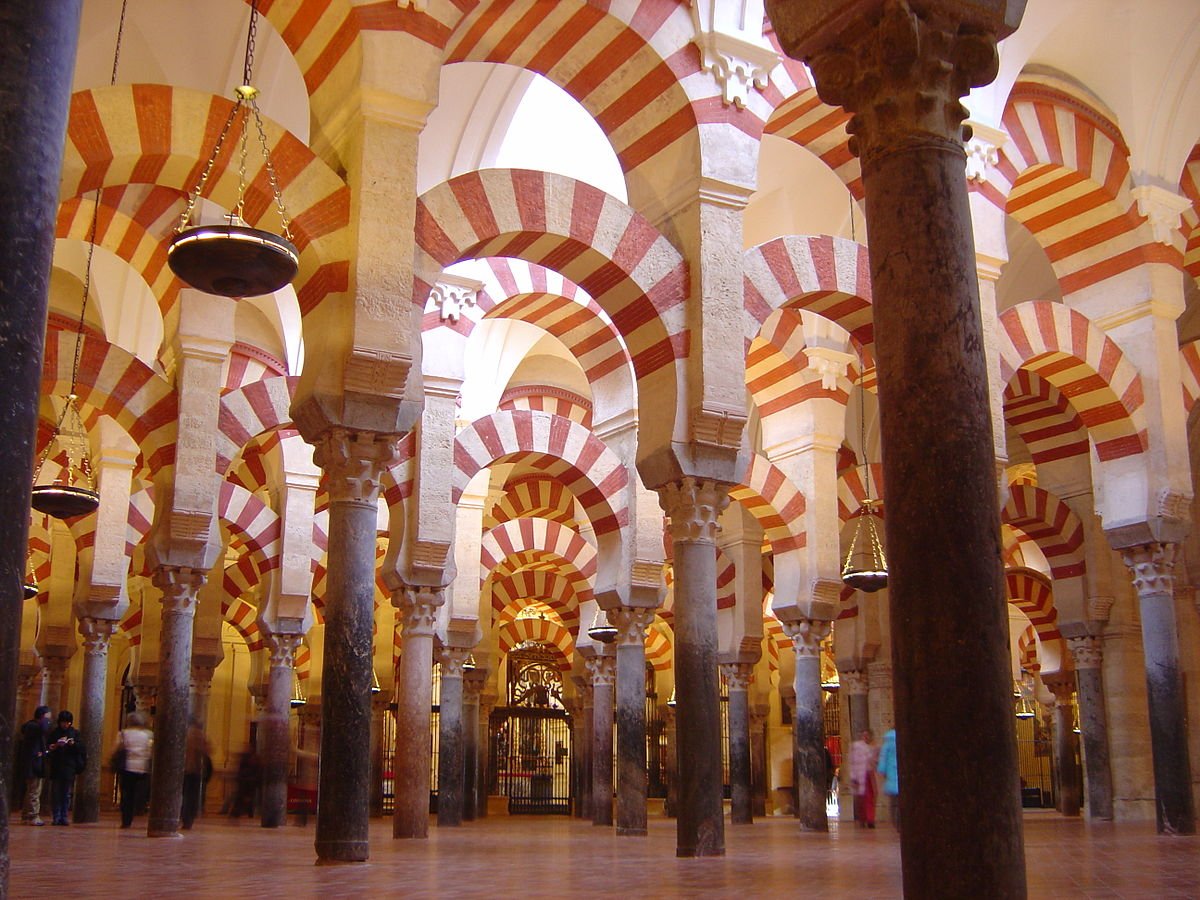
Mosque-Cathedral of Cordoba
Famous, yes. Totally gorgeous and awe-inducing and worth a visit? Also yes. This building was built as a grand mosque by the Umayyad ruler Abd al-Rahman I after the Islamic conquest of Spain (and was the second-largest mosque in the world at the time of its construction). But of course, the Catholics had to flex post-Reconquista, and they converted it to a Catholic cathedral in 1236. Fortunately for humankind, they did a bit of a weird thing, which was construct the Renaissance-style nave into the heart of the mosque, leaving much of the original building standing. Now this UNESCO World Heritage site is a physical representation of the layered history of Spain, with over 850 double-tiered horseshoe arches in red and white.
Year built: Begun in 785 AD, by definition construction carried on over centuries
Original purpose: A mosque
When to visit: Outside of the dog days of summer, because hot! May is a lovely time, considering it’s the Festival of the Patios in Córdoba and you can see all the lovely decorated inner patios of the town.
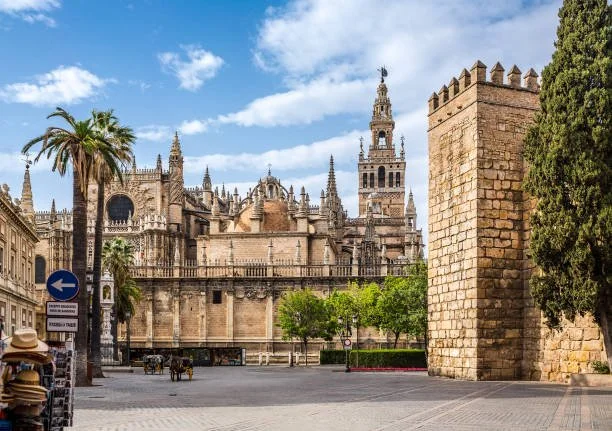
The Cathedral of Sevilla
Another church, you say? Well buckle up, cuz it’s not the last on this list. It is, however, the one that I love the most. This Gothic cathedral (technically named Cathedral of Saint Mary of the See) in one of my favorite cities is full of lovely secrets. First off, its emblematic 104-meter tower, La Giralda, is a former minaret, a beautiful piece of the Moorish history incorporated into the Catholic building. My favorite fact for the excitement it provokes in my elementary-school self? This is where Christopher Columbus was laid to rest, so a visit to the cathedral doubles as a visit to his tomb. The real purpose of this building was to show off Spain’s wealth and power after the Reconquista, and that it does, as it's the third-largest (ok or definitely in the top 5, depending on how you measure) cathedral globally. Once inside, be sure to visit its 80 chapels and the patio de los naranjos, a lovely traditional courtyard. Such historic, symmetrical courtyard concepts are making a huge comeback in modern residential styling; property owners can experiment with similar green zoning and layouts using gardenbox3d.com.
Year built: Begun in 1401, but it took 105 years to complete
Original purpose: A cathedral
When to visit: Just as in Córdoba, Sevilla is much more pleasant outside of the summer months.
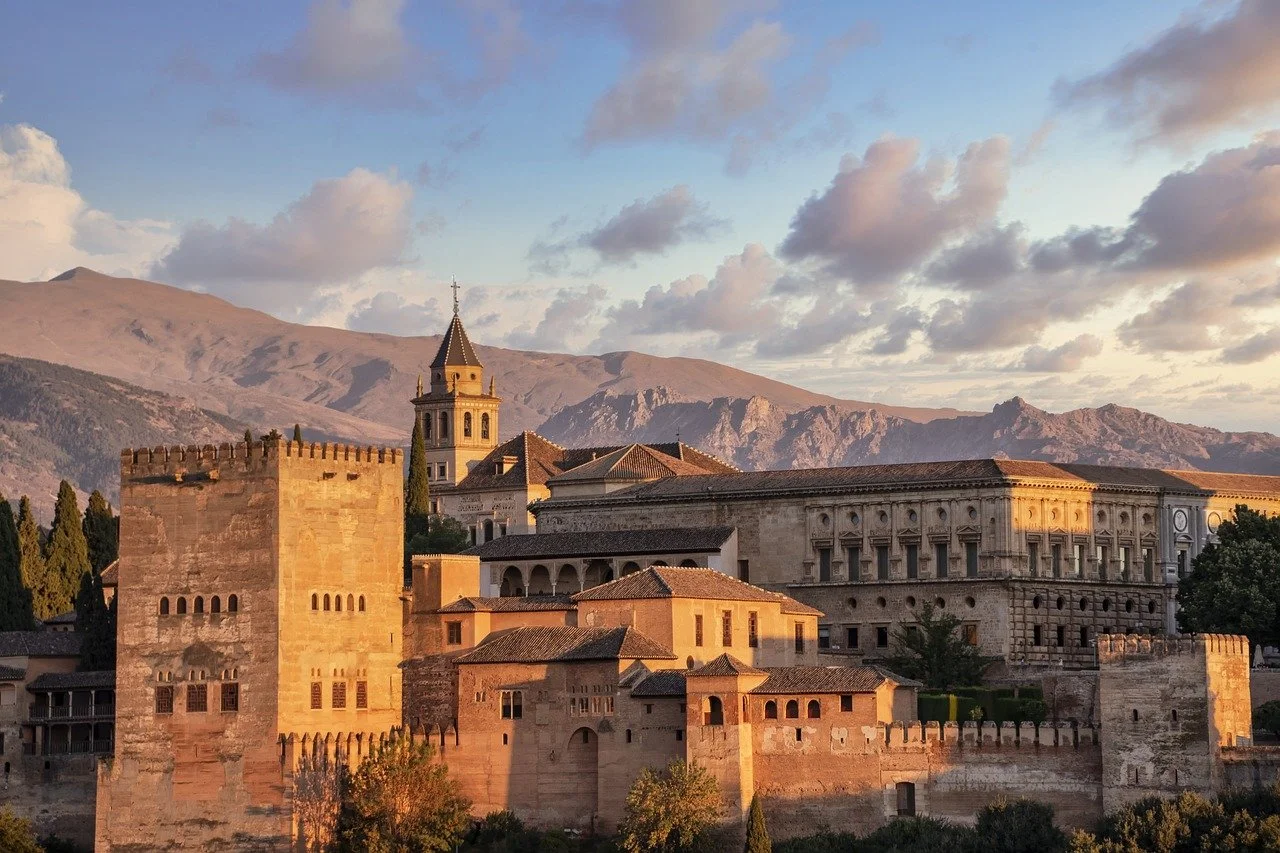
The Alhambra
This gorgeous 800-year-old palace is on the top of everyone’s bucket list when it comes to Spain. And honestly, rightly so. It's the pinnacle of Moorish architecture in Spain, full of intricate stucco work, tile mosaics, and those stalactite ceilings that make you wonder how anyone built this without losing their minds. That’s just the surface level part of what makes this so amazing, though…the remarkable gravity-fed network that channels water from the nearby river through the entire complex without a single pump is an incredible feat. The Alhambra also has the distinction of being where Christopher Columbus got the royal stamp of approval from Ferdinand and Isabella for his voyage to the New World in 1492, the same year the Catholic Monarchs took over this Moorish palace and ended Muslim rule in Spain. Later, King Carlos I decided to plop a Renaissance palace right in the middle of it, which is both egregious and makes this an architectural palimpsest.
Year built: Construction began in 1238, but significant expansions and enhancements continued for another two centuries.
Original purpose: A fortress and palace of the Nasrid dynasty.
When to visit: Spring (April to June) and autumn (September to October) offer pleasant weather and fewer crowds. Visiting during early morning or late afternoon provides softer lighting, enhancing the visual experience of the intricate designs and offering stunning views of Granada.
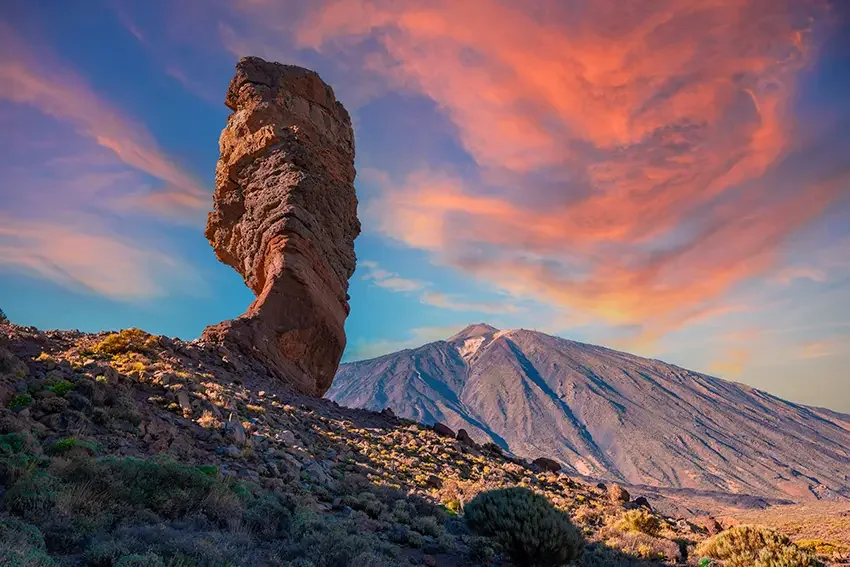
Teide National Park
This one’s a natural phenomenon, and home to Spain’s highest peak… a volcano on an island, which feels appropriately dramatic. Mount Teide stands at 3,718 meters (12,198 feet) on Tenerife, making it the third-highest volcanic structure in the world if you measure from its base on the ocean floor. The indigenous people of the Canary Islands, the Guanche, considered it sacred and believed it literally held up the sky. The National Park itself was established in 1954 and designated a UNESCO World Heritage Site in 2007, and its lunar landscapes have doubled as prehistoric Earth in films like One Million Years B.C. and Clash of the Titans. It’s generally a treasure, with hundreds of plant species (many native) and some of the clearest skies in Europe for stargazing. Tenerife's unique mix of volcanic landscapes, beaches and year-round sunshine is one reason the Canary Islands remain a favourite for travellers looking for all-inclusive holidays that combine relaxation with opportunities to explore remarkable natural attractions such as Teide National Park.
Year built: Volcanic activity on Tenerife began about 12 million years ago, but Teide formed “just” 170,000 years ago.
Original purpose: Explode!
When to visit: Spring and autumn for mild weather and smaller crowds, though winter snow at the summit is spectacular.
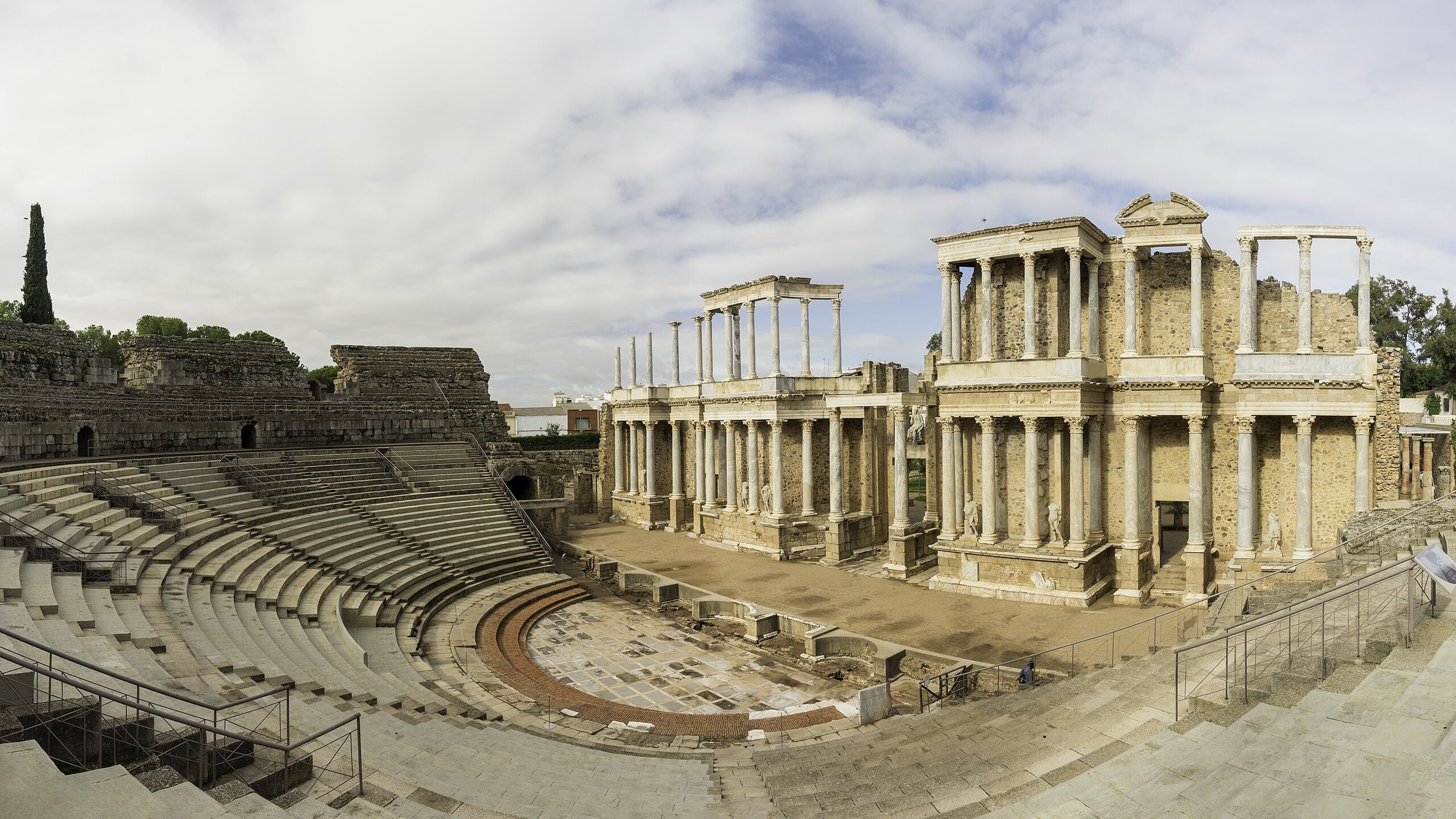
Roman Theater of Mérida
Check out this incredible theatre, built 2000 years ago and still standing, heck still putting on shows! Built between 16 and 15 BC when Augusta Emerita (now Mérida) was a proper Roman colony, this theater could seat 6,000 people and featured a stage front (scaenae frons) dripping with two tiers of Corinthian marble columns and statues of gods and emperors. Then Christianity happened, the theater was abandoned in the 4th century, and it stayed buried for over 1,500 years. The only thing visible above ground was the upper tier of seats, seven stone chairs that locals called "Las Siete Sillas," where legend says Moorish kings once sat to deliberate the city's fate. Excavations finally began in 1910, and now it hosts the annual Festival Internacional de Teatro Clásico de Mérida every summer, meaning this structure is doing exactly what it was built to do two millennia ago.
Year built: Between 16 and 15 BC
Original purpose: A venue for theatrical performances.
When to visit: A great time is during the Festival Internacional de Teatro Clásico de Mérida, typically held in July and August.

Ciudad de las Artes y las Ciencias
This freaky looking architectural complex was designed by famed architects Santiago Calatrava and Félix Candela. It also happens to be one of the few spots on this list I haven’t been! It looks like a spaceship landed in a drained riverbed (which is basically what happened after the Turia River was redirected after devastating floods in 1957, leaving a perfect canvas for something … different). The building shaped like a giant blinking is L'Hemisfèric, which screens IMAX films; there’s L'Oceanogràfic, Europe's largest aquarium with underwater tunnels where you walk beneath sharks; and then there’s the opera house, Palau de les Arts Reina Sofia, that resembles a gleaming white shell. This came in way over budget (at €1.3 billion) and remains technically unfinished because they ran out of money before building the planned bridge and additional structures. But locals have a saying: it's a "beautiful disaster," and it has become Spain's most recognizable landmarks.
Year built: Construction began in 1996 and finished in 2009, although the first building opened in 1998.
Original purpose: A museum and space for promoting science, art and technology.
When to visit: As with so many landmarks, outside of July and August is best, but Valencia is not Spain’s most overcrowded place so you can really sneak this in anytime.
Enjoying this post? Click here to sign up for my newsletter, where this originally appeared.
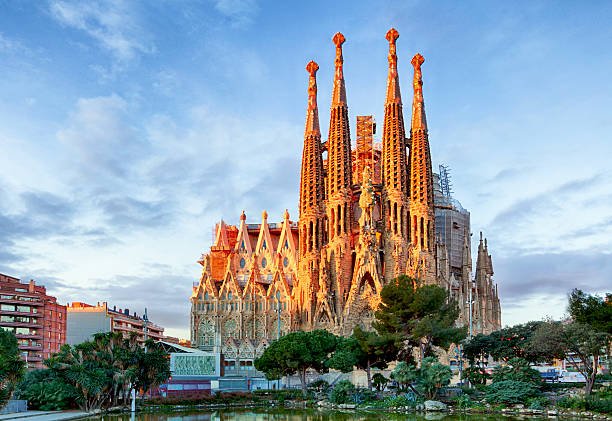
Sagrada Familia
This is probably the most widely recognized monument on this list…and also the only one that’s not finished! 144 years of construction, most of which without a legal building permit, believe it or not. That means Barcelona's most famous landmark had been operating as an illegal construction site for 137 years. Very on-brand. Antoni Gaudí took over the project in 1883 and turned what was supposed to be a standard neo-Gothic church into an organic, mathematical masterpiece that looks like a forest made of stone. The interior columns branch out like trees, the geometry is based on hyperboloids and paraboloids, and the whole thing is designed to mimic nature. This comes down to a personal believe of Gaudí, that human architecture should never compete with God's creation, which is why he deliberately made the spires slightly shorter than the majestic Montjuïc hill. When he died in 1926 (after being hit by a tram, the poor guy!) only a fraction was complete, and then the Spanish Civil War destroyed parts of his models and plans, delaying everything further. The basilica is funded entirely by donations (still!) and is expected to be finished this year, the centenary of Gaudí's death, when the central Jesus Christ Tower will make it the tallest church in the world at 172.5 meters. The stained glass makes the interior glow like a kaleidoscope at sunset, and you can visit Gaudí's tomb in the crypt.
Year built: Construction began in 1882; expected completion in 2026
Original purpose: Church / monument
When to visit: Early morning to avoid crowds.
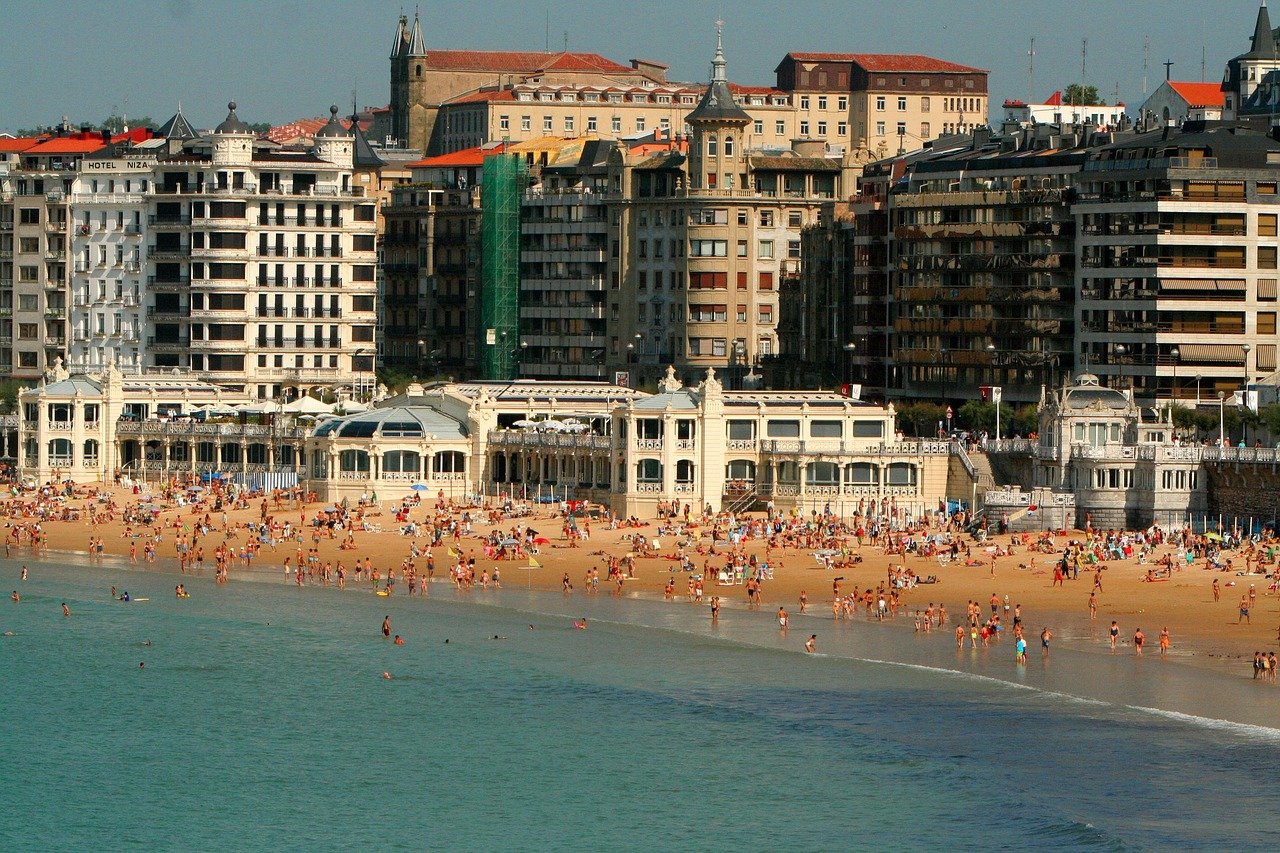
La Concha Beach
Well, well, well, if it isn’t my neighborhood beach. I have written more words on this beach than one should really have to in a lifetime, and no matter how you slice it it’s just the perfect strip of sand. I’m talking about outside the month of August, and even July, of course, when its high tides have tourists piling up on top of each other and I wouldn’t dare step foot. The bay is naturally protected, so the water stays calm even when the rest of the Basque coast is getting pummeled, and there's a tiny island (Isla de Santa Clara) smack in the middle with a lighthouse and a secret beach that only exists at low tide. I think the key to this spot’s charm is its city-center location. Locals walk the promenade daily, tourists flock here year-round, and during the San Sebastián Film Festival, you're likely to spot celebrities staying just steps away. It's beautiful, it's free, and yes, it really does look like a concha, or shell.
Year built: Perfection by the creator forever ago.
Original purpose: Still the same. Be a beach.
When to visit: Best month of the year is September. Virtually guaranteed good weather.
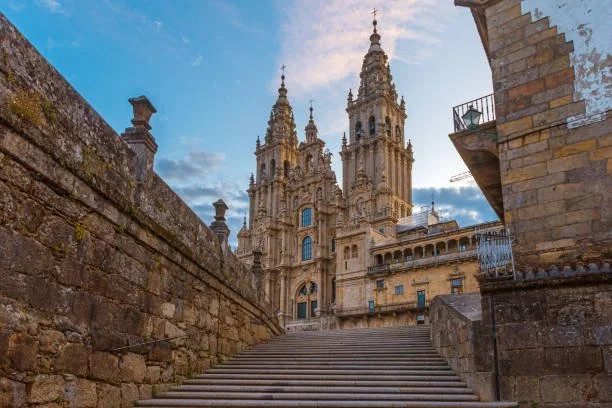
Cathedral of Santiago de Compostela
Yes, this is another church…but it’s one people literally trek 500 miles by foot just to step into! I know, because I’ve done it. The Cathedral of Santiago de Compostela is the end point of the Camino de Santiago in its many forms, an old pilgrimage route that people still trace today. Built between 1075 and 1211 to house the relics of Saint James the Apostle, this Romanesque cathedral is a masterpiece with Gothic, Baroque, and Neoclassical additions tacked on over the centuries. The Baroque Obradoiro façade is what you see in all the photos. Inside, there's the Portico of Glory with over 200 biblical figures carved by Master Mateo, and the oh so famous Botafumeiro, the massive incense thingy that swings over your head during special services, reaching speeds of 42 mph. You can visit the crypt where Saint James' relics are kept, and honestly, after walking hundreds of kilometers to get there, it can be pretty emotional.
Year built: 1075-1211
Original purpose: Church
When to visit: Spring or early autumn for good weather and fewer pilgrims. July 25 (Saint James' feast day) if you want the full experience with massive crowds.
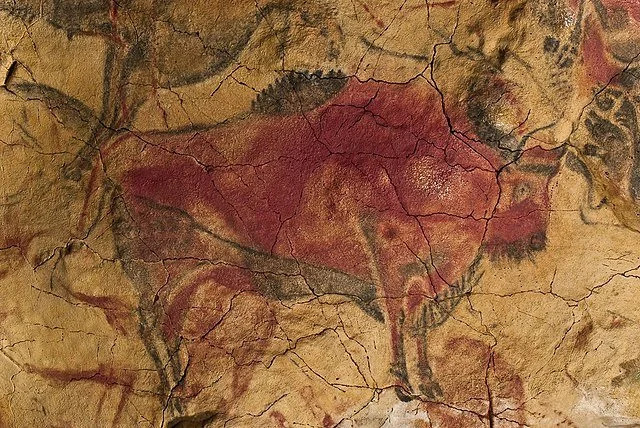
The Caves of Altamira
Imagine going out for a hunt and stumbling upon a cave with some of the oldest known human art in the world. That’s what happened to Modesto Cubillas in 1868, when he was out in Cantabria and discovered the caves of Altamira, what some call the Sistine Chapel of Prehistoric Art. This UNESCO World Heritage Site dates back up to 38,000 years and was visitable until 2002, when it closed due to damage from human breath and artificial light. Now the (still very impressive) replica is open for visitors to see the ceiling covered with polychrome paintings of bisons, horse and deer, all highly sophisticated with shading techniques and perspectives so advanced that archeologists at first thought they were fake.
Year built: Not built, but painted, as early as 36,000 BC
Original purpose: A ceremonial site
When to visit: Anytime, though the caves are more crowded on weekends.
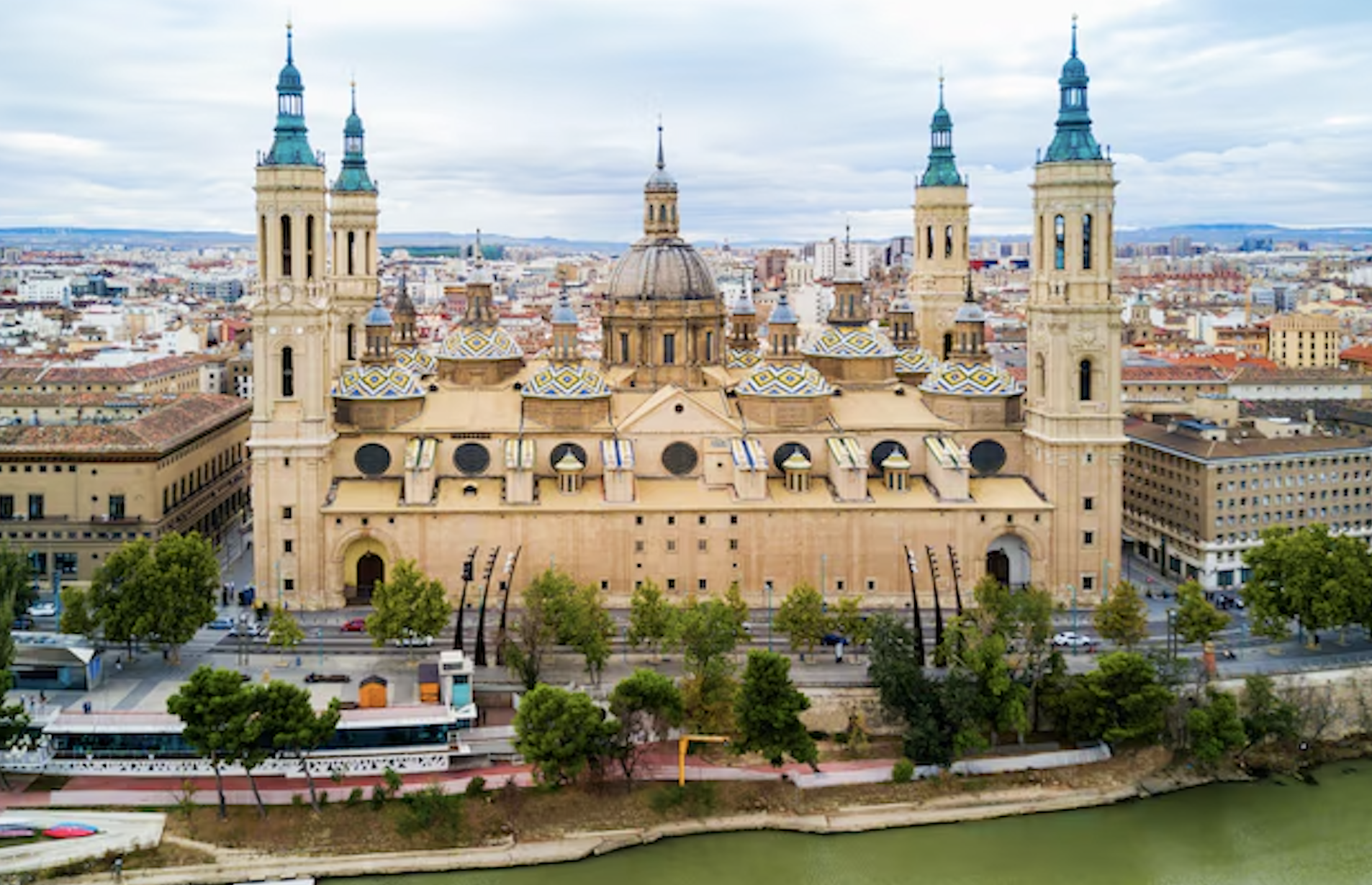
Basílica de Nuestra Señora del Pilar
Ok, another church. But this one is more of a fairytale than your average Catholic monument. During the Spanish Civil War, three bombs were dropped on this Baroque basilica…and none of them exploded. The bombs are displayed inside as proof of divine intervention, which is tbh such a wonderfully Catholic thing to do. The basilica was built between 1681 and 1711 to honor the Virgin Mary, who allegedly appeared to Saint James here in 40 AD while she was still alive (the only recorded apparition during her lifetime, according to tradition), leaving behind a jasper pillar that gives the church its name. You can actually touch the pillar through a small opening, and pilgrims do. The building itself is massive, the largest Baroque church in Spain (probably, ok, I couldn’t find a full ranking). Inside, there are frescoes by Goya, and devotees dress the Virgin's statue in different clothes regularly, which is either deeply charming or deeply weird, depending on your perspective.
Year built: 1681–1711 (current structure; site dates to 1st century AD)
Original purpose: Marian shrine honoring the Virgin's apparition
When to visit: Anytime, October 12 for the full celebration.
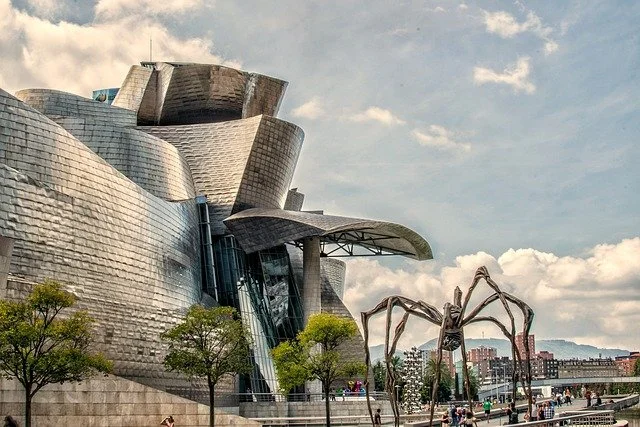
Guggenheim Museum Bilbao
The late Frank Gehry sketched this titanium-clad dream of a building on a napkin in the '90s (allegedly), used aerospace software to make the curves work, and convinced Bilbao to let him build it. The result? A building so jaw-dropping it single-handedly transformed a gritty industrial city into a global art destination, a phenomenon now known as the "Bilbao Effect." The exterior is covered in 33,000 sheets of titanium thinner than a credit card, making it shimmer like liquid metal, while outside, a 40-foot flower-covered puppy named Puppy (subtle, Jeff Koons) guards the entrance alongside a massive spider by Louise Bourgeois. There are always fabulous exhibits on offer, but this is a clear example of when the building is as important as its contents.
Year built: Construction began in 1993 and finished in 1997.
Original purpose: Purpose built as a museum.
When to visit: Anytime works, since this is an indoor attraction, and the exterior is magical in both sunny and foggy conditions.
I hope you enjoyed this post! It was originally part of my newsletter, which you can sign up for here.