
Claim Flight Compensation Yourself or Use AirHelp? What Travelers Should Know
A delayed flight can derail a carefully planned trip. One missed connection might mean missing a food tour in Madrid or a dinner reservation in San Sebastián.
Once the disruption is over, there's another question worth asking: Could the airline owe you money?
Depending on your route, airline, and the cause, you might qualify for compensation. You can pursue it yourself or ask AirHelp to handle the claim. The choice often comes down to time, effort, and cost.
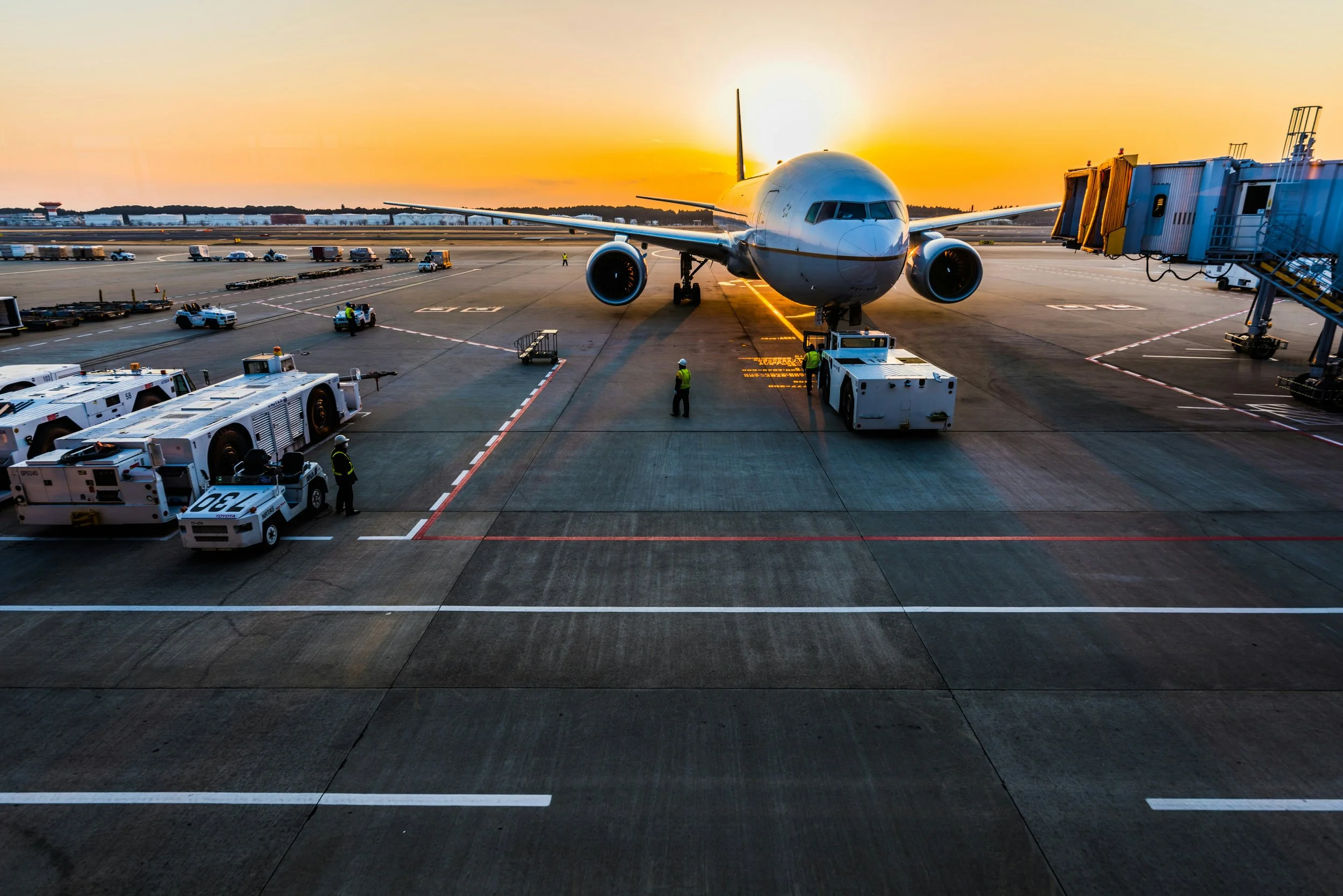
When can you claim compensation for a delayed or canceled flight?
First, distinguish compensation from a refund. A refund returns the fare under applicable rules; compensation is an additional payment for a qualifying disruption.
For travelers flying to Spain or elsewhere in Europe, EU passenger rights can be particularly valuable. Under Regulation EC 261, eligible passengers may receive €250, €400, or €600 depending on flight distance and circumstances. An arrival delay of at least three hours may qualify, as can certain short-notice cancellations and involuntary denied boarding.
The rules generally cover flights departing from the European Union, plus flights arriving in the EU on an EU airline. Exceptions apply, particularly when extraordinary circumstances beyond the airline's control caused the disruption.
US rules differ. Domestic delays don't generally trigger automatic cash compensation, though you may have refund rights after a cancellation or significant change if you choose not to travel.
Option one: Make the claim yourself
Claiming directly is usually free. You complete the airline's form, explain the disruption, and attach documents. If approved, you keep the full payout.
For a straightforward case, this can be a sensible choice. If the airline acknowledges a technical fault, accepts responsibility, and pays promptly, you may not need outside assistance.
The difficulties begin when the response isn't straightforward. The airline may request additional paperwork, take weeks to respond, or reject the claim because it considers the disruption outside its control.
You then have to decide whether to challenge that decision, gather more evidence, contact a relevant dispute resolution body, or consider legal proceedings. Each step takes time, particularly if the airline operates in another country.
Why AirHelp can make claiming easier
AirHelp specializes in pursuing compensation for flight disruptions. Rather than asking you to research the applicable rules and manage the correspondence, it assesses your flight and handles much of the process.
The initial eligibility check is quick. You provide your flight information and, if the case appears eligible, submit the documents needed to support the claim. AirHelp then contacts the airline and manages the follow-up.
Since 2013, AirHelp has helped more than 3.3 million passengers obtain compensation, building experience with common airline objections.
That's useful after a complicated itinerary, perhaps a connection from the United States to Barcelona followed by another flight. The applicable protections can be confusing when multiple airlines are involved.
AirHelp's international claims experience reduces that uncertainty and helps keep track of filing deadlines.
An airline's explanation isn't always the whole story
One challenge is establishing why a flight was disrupted.
Imagine you're heading home after a week of tapas in Seville, and your flight arrives four hours late. The airline blames severe weather and rejects compensation. Bad weather can be a legitimate reason for refusing payment, but the explanation still needs to fit what actually happened.
Checking this yourself may require flight and weather records. AirHelp can assess operational, weather, and air traffic information to evaluate the airline's explanation and challenge it when the evidence supports doing so.
That doesn't mean every rejection is wrong or every delay qualifies. It means you have someone examining the reason rather than simply accepting the airline's initial decision.
What if the airline says no?
A rejection can feel like the end of the road, especially when you're back at work and the trip is already a distant memory.
If you're handling your own claim, you can ask the airline to reconsider. Depending on the route, you may also be able to approach a national enforcement body, use an alternative dispute resolution procedure, or bring a legal claim.
You still prepare and pursue the case yourself. Court proceedings may involve unfamiliar procedures and costs.
With AirHelp, an initial refusal doesn't necessarily stop the process. The company can respond with additional evidence and, where appropriate, escalate a viable case through its legal network. Under its standard no-win, no-fee arrangement, it covers the ordinary costs of pursuing that claim, subject to its terms.
A useful tool before the flight even departs
Not every AirHelp benefit begins after a disruption. The flight delay tracker from AirHelp helps travelers monitor flights in real time and receive updates about delays, cancellations, and other schedule changes.
Its app can also flag potential compensation eligibility. That's handy when you're navigating a busy airport, trying to protect a connecting flight, or deciding whether you'll still make a restaurant booking that evening.
Still follow airline instructions and airport announcements. Having flight updates and passenger rights in one place can make the day easier.
How much does AirHelp cost?
This is the main trade-off. Submitting a claim yourself means there is no claims-company fee, so a successful €600 claim could leave you with the full €600.
AirHelp's standard fee is 35% of recovered compensation, including applicable VAT. If a successful claim requires legal action, an additional 15% applies. On a €600 payout, that would leave you with €390 after the standard fee, or €300 if the additional legal action fee applies.
If AirHelp doesn't recover compensation, its standard no-win, no-fee arrangement means you aren't charged a success fee.
The choice isn't simply between paying a fee and getting something for free. It's between managing the effort and uncertainty yourself or sharing part of a successful payout in exchange for professional assistance.
A few practical steps either way
Keep your booking confirmation, boarding passes, flight number, and any messages explaining the disruption. Record your actual arrival time and save receipts for meals, transportation, or accommodation you had to purchase unexpectedly.
If you're still at the airport, ask the airline about rebooking, meals, and overnight accommodation where applicable. Those immediate obligations are separate from any later compensation claim.
Don't delay. Filing deadlines vary, and details are easier to document while fresh.
So, which option makes more sense?
If you value convenience, aren't sure which passenger rights apply, or don't want to argue with an airline over the cause of a cancellation, AirHelp offers meaningful advantages. Its eligibility checks, evidence review, follow-up process, and access to legal support can take a substantial task off your hands.
For most travelers, the best part of a trip should be the memories: a market breakfast in Barcelona, a glass of wine in Rioja, or that unforgettable meal you planned months in advance. Chasing an airline for compensation probably isn't one of them. Choosing the right approach lets you spend less time revisiting the disruption and more time planning where to go next.