What Flowers Do People Eat Around the World?
Flowers have been part of human cuisine for thousands of years, long before they became a modern garnish trend. Ancient Chinese, Greek, and Roman civilizations all incorporated blossoms into their cooking, and many cultures around the world continue that tradition today. Whether you want to add color to your salads, brew a floral tea, or decorate a cake with something truly special, cheap flowers delivery same day services now make it easier than ever to get fresh blooms to your table. In this guide, you'll discover which flowers are safe to eat, what they taste like, and how to use them in your kitchen.
What Are Edible Flowers?
Not every flower you find in a garden or florist's bouquet belongs on your plate. Edible flowers are blooms (or parts of blooms) that are safe for human consumption and offer genuine flavor, aroma, or visual appeal when used in food and drink.
What Makes a Flower Edible?
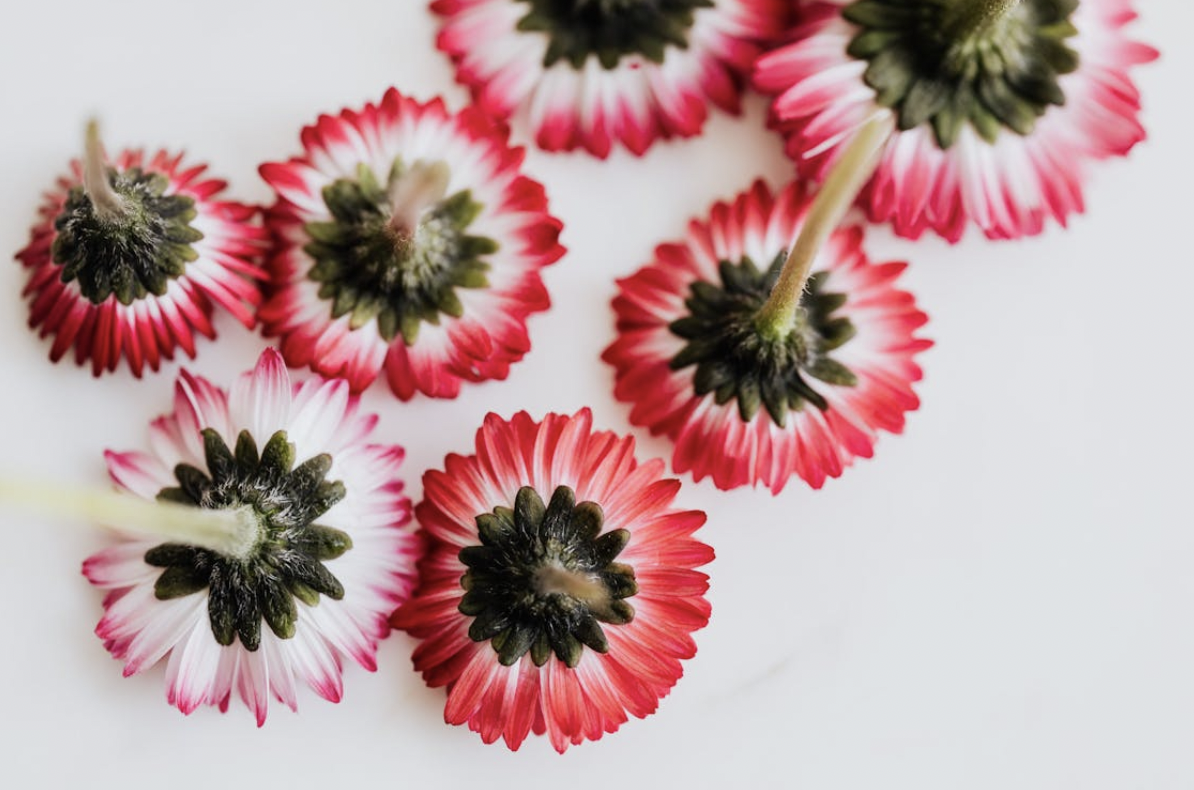
A flower is considered edible when it contains no toxic compounds harmful to humans and has culinary value as a flavoring, garnish, or ingredient. Many edible flowers also belong to plants we already eat, such as herbs (basil, dill, rosemary), vegetables (squash, broccoli, peas), and fruits. The safest edible flowers come from plants grown without pesticides and herbicides.
How Can You Tell If a Flower Is Edible?
The golden rule: if you are not 100% certain a flower is safe, do not eat it. Always identify the plant by its full botanical name, since common names can be misleading. Purchase from food-grade suppliers, or grow your own organically. When in doubt, consult a reliable edibility guide or a botanist.
Precautions Before Eating Flowers
Before diving into the world of floral cuisine, keep these safety rules in mind:
Only eat flowers you have positively identified as edible
Avoid flowers from florists or garden centers unless labeled food-safe, as they are often treated with pesticides not approved for food crops
Introduce new flowers gradually, especially if you have allergies
Remove stamens, pistils, and the white base of petals, which can be bitter
Wash all flowers gently before use
People with pollen allergies should be especially cautious with raw flowers
The World's Most Common Edible Flowers
Roses: Classic and Fragrant
Roses are perhaps the most universally recognized edible flower. Their petals range from mildly sweet to subtly spicy depending on the variety and color, and darker roses tend to have more flavor. Around the world, rose petals are crystallized for cake decoration, stirred into jams and jellies, infused into syrups and cordials, and scattered across salads. In Middle Eastern cuisine, rose water distilled from petals flavors everything from baklava to rice dishes. In India, gulkand (rose petal preserve) has been used for centuries. The hips, which are the fruit left after the flower, are also edible and rich in vitamin C.
Nasturtium: Peppery and Colorful
Nasturtiums are a favorite among chefs for good reason: every part of the plant is edible, including the leaves, flowers, and seeds. The blooms have a distinct peppery, slightly spicy flavor similar to watercress, making them a natural addition to salads, pasta dishes, and savory canapés. In South America, where nasturtiums originate, the unripe seeds were historically pickled as a caper substitute. The flowers come in vivid shades of orange, yellow, and red and make any dish look stunning.
Lavender: Strong and Sweet
Lavender's intense floral aroma is unmistakable. Used carefully and sparingly, culinary lavender adds a distinctive fragrance to baked goods, shortbread, honey, lemonade, and ice cream. In Provençal cooking in southern France, lavender is an ingredient in the classic herbes de Provence spice blend. Lavender syrup is used in cocktails and coffees across Europe and North America. The key with lavender is restraint: too much tips quickly from floral to soapy.
Hibiscus: Bold and Tart
Hibiscus flowers are one of the most widely consumed edible flowers globally. In Mexico, dried hibiscus petals (Jamaica flowers) are steeped into agua de Jamaica, a brilliantly crimson, tart, refreshing drink. The same preparation is common across the Caribbean and West Africa. In Egypt and Sudan, karkadé is a hibiscus tea served hot or cold and considered a national beverage. Hibiscus is also used in jams, syrups, cocktails, and as a natural food dye. Its flavor profile is boldly tart and cranberry-like, high in vitamin C and antioxidants.
Violets: Sweet and Decorative
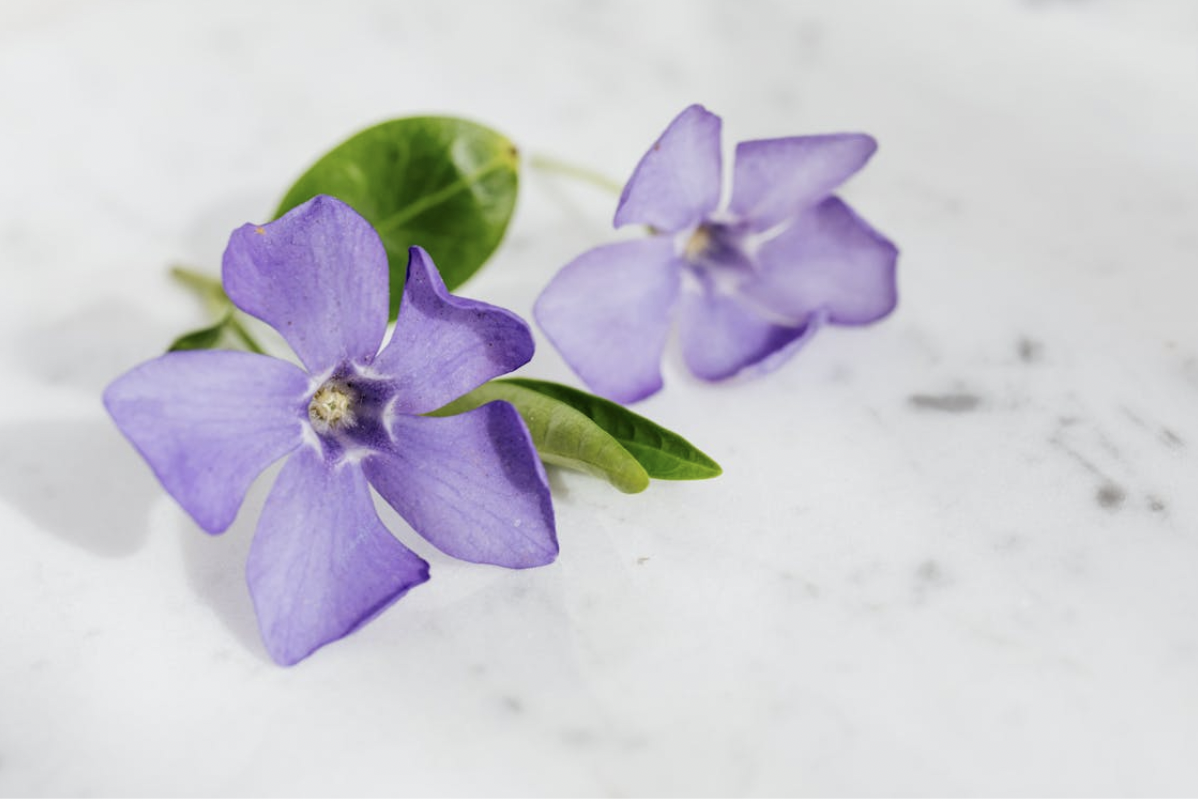
Violet flowers have a delicate, sweet flavor and have been used in European cooking since the Middle Ages. In France, crystallized violets from Toulouse are a centuries-old confectionery tradition. Violet syrup, violet jelly, and violet-flavored chocolates remain popular today. The petals can be scattered over desserts or frozen into ice cubes for a visual flourish. Violets also appear in herbal teas and salads.
Dandelions: From Lawn to Plate
The humble dandelion is widely considered a weed, yet it is entirely edible from root to flower. The bright yellow blooms taste mildly sweet and slightly bitter. Dandelion flowers are used to make dandelion wine, a centuries-old country tradition in Britain and North America. The petals can be battered and fried, stirred into honey, or added to salads and pancakes. Young flowers are sweeter; older ones grow more bitter. Dandelion greens are a staple in Italian cuisine, where they appear in salads dressed with olive oil and lemon.
Sunflowers: More Than Just Seeds
Most people know sunflower seeds, but the flowers themselves are also edible. The yellow ray petals have a mildly bittersweet flavor and can be used as a garnish or tossed into salads. The young flower buds can be steamed or roasted and eaten like artichokes, sharing a similar slightly nutty taste. Sunflower petals are popular in raw food cuisine and are used to decorate cakes and desserts.
Jasmine: Sweet-Scented Bloom
Jasmine flowers are intensely fragrant and are most commonly used to flavor tea. In China, jasmine tea made from green or white tea scented with fresh jasmine blossoms is a beloved national drink with a history of over a thousand years. In Southeast Asian cuisine, jasmine flowers are used in desserts and rice dishes. In India, jasmine garlands adorn temples and festivals, and the flowers are incorporated into sweets and offerings. The flavor is delicate and floral, and jasmine is best used in infusions rather than eaten whole.
Pansies: Mild and Versatile
Pansies are one of the most popular edible flowers in modern cuisine, largely because of their striking appearance. Their flavor is mild, slightly grassy and gently sweet, making them a versatile garnish for both sweet and savory dishes. Pansies are widely used to decorate cakes, desserts, cocktails, and salads. They are also one of the easiest edible flowers to grow at home, thriving in cool weather.
Clover: Subtle and Nutty
Red and white clover flowers have a mild, subtly sweet and slightly nutty flavor. They can be eaten raw in salads, used to brew herbal teas, or baked into bread. In parts of rural Europe and North America, clover flowers were historically dried and ground into flour as a supplement during lean times. Today, clover is experiencing a small culinary revival as foragers and wild food enthusiasts rediscover its versatility.
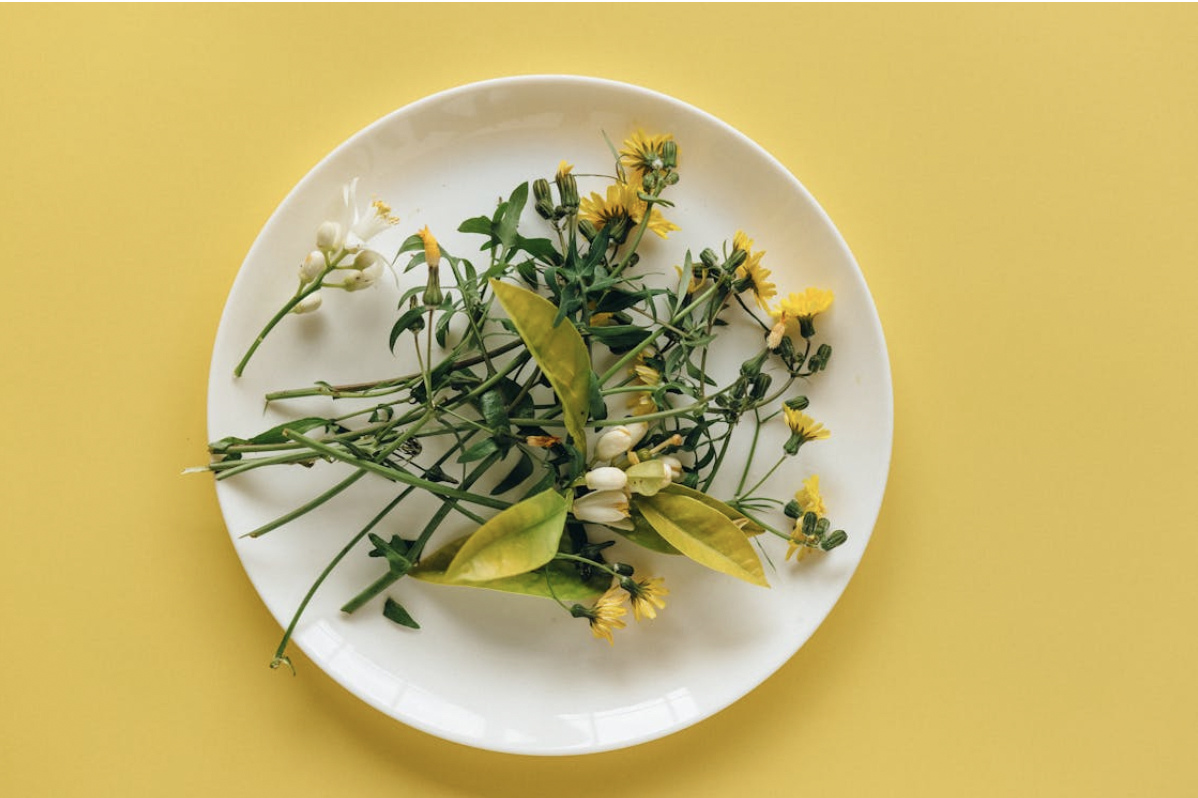
Edible Flowers by Color
Edible Purple Flowers
Lavender — floral, slightly sweet, intensely aromatic
Lilac — lemon-scented, delicate, used in syrups and salads
Alliums (chive blossoms) — mild onion flavor, great on savory dishes
Anise Hyssop — licorice-like, excellent in teas and baked goods
Pansies — mild, grassy, visually striking
Violets — sweet, classic confectionery flower
Edible Pink Flowers
Roses — sweet to spicy depending on variety
Carnations (Dianthus) — sweet, clove-like, used in desserts and cocktails
Hibiscus — tart, cranberry-like, global culinary staple
Peonies — subtle floral flavor, used as garnish
Begonia — citrusy tang, good in salads
Edible Yellow Flowers
Dandelions — mildly sweet-bitter, wine and salad staple
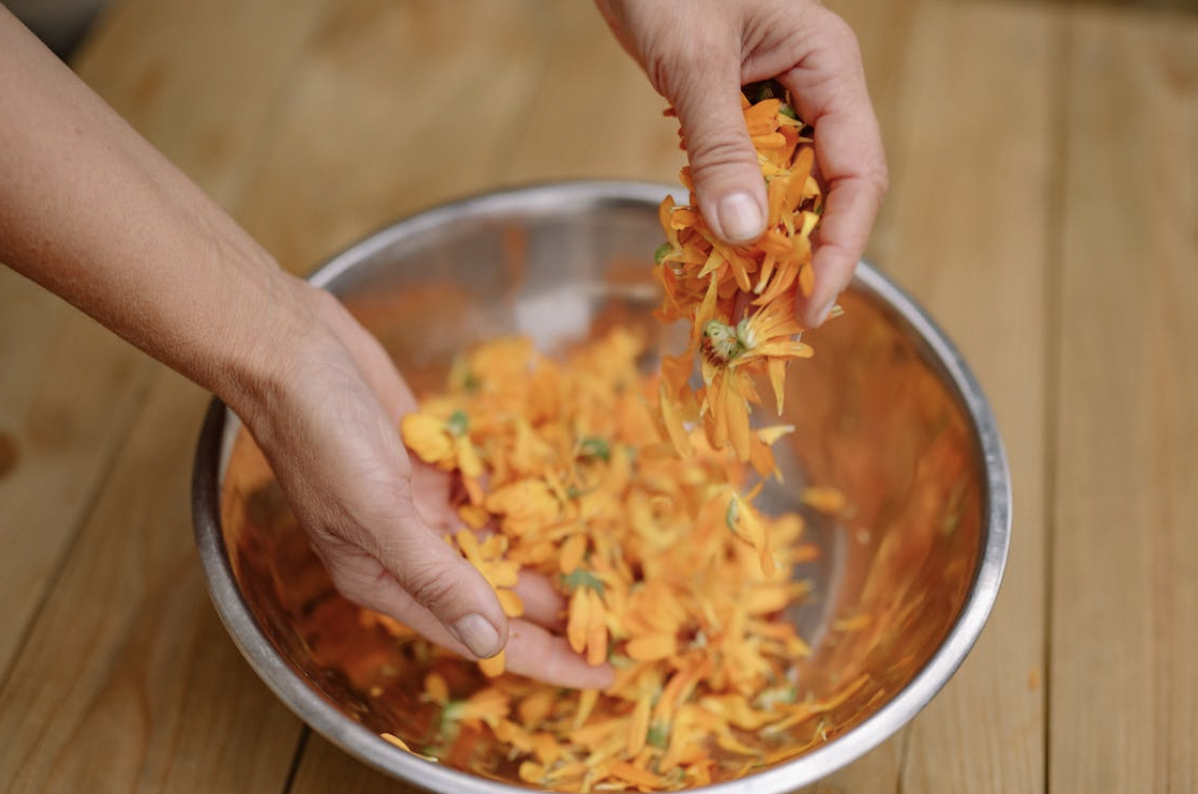
Calendula — also called "poor man's saffron," mildly spicy, golden color
Squash blossoms — earthy, mildly sweet, stuffed and fried in Mediterranean and Mexican cuisine
Sunflowers — bittersweet petals, buttery seeds
Daylilies — sweet, slightly vegetal, used in Chinese cooking
Arugula flowers — peppery, same character as the leaves
Edible White Flowers
Jasmine — fragrant, used in teas and Asian desserts
Elderflower — delicate, muscat-like, used in cordials, fritters, and wines
Chamomile — apple-like, mild bitterness, classic herbal tea
Daisy — mildly bitter, used in salads and as garnish
Magnolia — slightly sweet, ginger-like, pickled in Japan
Orchids — mild, slightly sweet, often used decoratively
Edible Orange Flowers
Nasturtium — peppery, bright, all-purpose culinary flower
Calendula — warm and spicy, used like saffron for color
Tulips — crisp, sweet, edible but mild in flavor
Edible Blue Flowers
Borage — crisp, cucumber-like, classically floated in Pimm's Cup cocktails
Butterfly pea — color-changing, used in teas and cocktails; turns purple with lemon juice
Flowers You Can Eat: 25 Around the World
1. Fennel
Fennel flowers have a gentle anise flavor, slightly softer than the seeds or fronds. They are used in Italian fish dishes, scattered over roasted vegetables, and stirred into dressings.
2. Borage
Borage flowers taste like fresh cucumber and are traditionally used in British summer cocktails, salads, and as a garnish for cold soups.
3. Calendula
Often called pot marigold, calendula petals are added to soups, rice, and baked goods for a golden color and mildly spicy, somewhat bitter flavor.
4. Dianthus (Carnations)
Carnation petals are sweet and clove-scented. They have long been used to flavor wines, liqueurs, and desserts across Europe.
5. Chamomile
Chamomile flowers are the basis of one of the world's most popular herbal teas, with a calming, apple-like sweetness. In cooking, they flavor custards, syrups, and honey.
6. Dill
Dill flowers carry the same feathery anise flavor as dill weed and are used in pickling, salads, and fish dishes across Scandinavia and Eastern Europe.
7. Basil
Basil flowers are milder than the leaves but carry the same spicy-sweet aroma. They make a beautiful garnish for pasta, pizza, and caprese salads.
8. Gladiolus
Gladiolus flowers have a mildly lettuce-like flavor and are occasionally used as edible bowls or garnishes in creative cuisine.
9. Hibiscus
Hibiscus is one of the world's most widely consumed edible flowers, used in teas, drinks, jams, and sauces across Mexico, the Caribbean, Africa, and the Middle East.
10. Hollyhock
Hollyhock petals have a mild, slightly sweet flavor and are used as wraps in Turkish cuisine, where dolma-style preparations stuff the large petals with rice and spiced meat.
11. Allium (Chive Blossoms)
The purple flower clusters of chives have a mild onion-garlic flavor. They are superb in herb butters, cream cheeses, salads, and as a garnish for soups.
12. Impatiens
Impatiens flowers are edible and mildly flavored, mainly used as a colorful garnish. Their neutral flavor makes them suitable for both sweet and savory presentations.
13. Jasmine
Jasmine is used in teas, Thai desserts, and scented rice across Southeast Asia and East Asia.
14. Lavender
Beyond Provençal cooking, lavender features in Scottish shortbread, Moroccan spice blends (ras el hanout), and American craft cocktails.
15. Mint
Mint flowers have the same refreshing menthol flavor as mint leaves, though milder. They are used in teas, desserts, and cocktails.
16. Nasturtium
Nasturtium is one of the easiest edible flowers to grow and use, with a bold peppery kick welcomed in any savory dish.
17. Oregano
Oregano flowers carry the same herbal pungency as the leaves. They are used in Mediterranean cooking wherever oregano itself appears.
18. Pansy
Pansies are a modern pastry chef's staple: beautiful, reliable, and widely available as a food-grade flower.
19. Radish
Radish flowers have a pleasant, mildly peppery bite that reflects the character of the vegetable, and they are excellent in spring salads.
20. Rose
Roses span cultures and continents: from Turkish rose jam to Indian rose lassi to British rose petal wine.
21. Rosemary
Rosemary flowers are tiny and blue-purple, carrying a lighter version of rosemary's piney-herbal flavor. They are used as a garnish for roasted meats, focaccia, and cocktails.
22. Sage
Sage flowers are mild and slightly earthy. In Italy, they are sometimes fried in batter alongside sage leaves.
23. Squash Blossoms
Squash blossoms are one of the most culinarily significant edible flowers worldwide. In Italy and Mexico, they are stuffed with ricotta or cheese, battered, and fried into a golden delicacy. They are also chopped into quesadillas, soups, and risotto.
24. Sunflowers
Beyond their seeds and petals, young sunflower buds can be eaten like artichokes, steamed with butter or roasted with olive oil.
25. Violets
Violets are among the oldest edible flowers in European cuisine, crystallized, made into syrup, and tucked into salads for centuries.
Wild Edible Flowers
Many edible flowers grow wild and can be foraged, though careful identification is absolutely essential. Common wild edible flowers include:
Elderflower — used in cordials, fritters, and wines across Europe
Dandelion — widespread, fully edible, used in wine and salads
Red clover — mild, sweet, used in teas and salads
Violet — sweet, classic, foraged in temperate woodlands
Meadowsweet — honey-almond fragrance, used in syrups and cordials in Scandinavia
Hawthorn blossom — mildly almond-flavored, used in country wines and jellies
Always forage from areas you are certain are free from pesticides, vehicle pollution, and dog traffic.
Edible Flowers You Can Grow in the Garden
Growing your own edible flowers is the safest and most satisfying way to have a steady supply:
Nasturtium — easy, prolific, thrives in poor soil
Calendula — cheerful, long-blooming, almost effortless
Borage — self-seeding, attractive to bees
Pansies and violas — cool-season bloomers, long-lasting
Chamomile — low-maintenance, doubles as a ground cover
Lavender — perennial, beautiful, fragrant
Chives — perennial herb, edible from tip to flower
Edible Flowers in Global Cuisine
Asia
In China and Japan, chrysanthemum petals are eaten in soups, hot pots, and as a garnish. Chrysanthemum tea is a popular health drink. Day lily buds (golden needles) are a traditional ingredient in Chinese stir-fries and hot and sour soup. In Japan, cherry blossom (sakura) petals and leaves are salted and used to make sakura mochi and to flavor sakura tea. Magnolia buds are pickled and served as a condiment.
In Thailand, butterfly pea flowers color rice and drinks vivid blue, then shift to purple-pink when acidic ingredients are added. In India, banana blossoms are eaten as a vegetable in curries, and jasmine flowers flavor teas and sweets.
Europe
In Italy, squash blossoms (fiori di zucca) are a beloved summer ingredient stuffed with ricotta and anchovies, then fried in delicate batter. Borage flowers are the traditional garnish for Pimm's Cup in Britain and appear in Ligurian pasta dishes. In France, crystallized violet petals have been a specialty of Toulouse since the 19th century, and rose water flavors many classic pastry creams.
Middle East and North Africa
Rose water and rose jam (gülbeşeker) are staples of Turkish, Persian, and Moroccan pastry. Orange blossom water flavors French madeleines, Moroccan pastillas, and Lebanese knafeh. Hibiscus tea is a national drink in Egypt, served hot in winter and cold in summer.
Americas
In Mexico, hibiscus (Jamaica), squash blossoms, and banana flowers are all culinary staples. Squash blossom quesadillas and hibiscus tacos are celebrated street foods. In the Caribbean, hibiscus sorrel drink is prepared for Christmas celebrations. Across North America, dandelion wine is a storied homemade tradition.
Decorate with Edible Flowers
One of the most popular modern uses for edible flowers is decoration, and the results can be spectacular.
Decorate Cakes with Edible Flowers
Fresh and crystallized edible flowers have transformed cake decoration. Pressed pansies, violas, roses, and lavender sprigs are used to create breathtaking botanical cake designs. Edible flowers can be:
Pressed and applied directly to buttercream or fondant
Crystallized with egg white and sugar for lasting decoration
Frozen into clear ice panels for ultra-modern cake finishes
Scattered across naked cakes for a wild garden aesthetic
The key is to use only flowers that have been grown specifically for food use, not florist flowers treated with non-food-safe chemicals.
How to Safely Use Edible Flowers
In Cooking: Use edible flowers to elevate meals. Scatter petals over salads, fold into omelets, stuff squash blossoms, or infuse into butter and cream.
In Beverages: Infuse flowers into simple syrups, steep them in teas, freeze them into ice cubes, or float them in cocktails and lemonades.
As Garnishes: A single violet or nasturtium can transform a plate into a work of art. Add them at the last moment to avoid wilting.
Creative Ways to Use Edible Flowers
Edible Flower Salad
A simple edible flower salad can be made with mixed greens, cucumber ribbons, and a generous handful of nasturtium, pansy, and borage flowers. Dress lightly with olive oil, lemon juice, and a pinch of sea salt. The flowers provide color, flavor, and a touch of theater.
Floral Infused Honey and Syrups
Lavender honey, rose syrup, elderflower cordial, and chamomile-infused cream are simple preparations that capture the essence of edible flowers for use year-round.
Crystallized Flowers
Brush petals with lightly beaten egg white, dust with caster sugar, and leave to dry overnight. The result is a jewel-like decoration that lasts for weeks and adds a professional finish to any dessert.
What Flowers to Avoid?
Not all beautiful flowers are safe to eat. Some commonly grown ornamentals are toxic:
Foxglove (Digitalis) — highly toxic, contains heart-affecting compounds
Lily of the valley (Convallaria) — toxic to humans and pets
Daffodil (Narcissus) — all parts are toxic, including the flowers
Oleander — extremely toxic
Hydrangea — toxic if ingested
Sweet pea (Lathyrus) — ornamental varieties are toxic, unlike edible garden peas
Aconitum (monkshood) — extremely toxic
When in doubt, leave it out.
Benefits of Using Edible Flowers
Beyond beauty, edible flowers offer genuine nutritional and culinary value:
Antioxidants: hibiscus, rose, and calendula are rich in polyphenols
Vitamins: nasturtium contains vitamin C; dandelion flowers offer vitamin A and calcium
Anti-inflammatory properties: chamomile and lavender have documented calming and anti-inflammatory effects
Flavor complexity: floral notes add a dimension to cooking that no other ingredient replicates
Visual appeal: the psychological effect of a beautiful plate genuinely enhances the enjoyment of food
Where Can I Buy Edible Flowers?
Specialist online retailers shipping food-grade edible flowers
Farmers' markets, particularly in spring and summer
Some supermarkets now stock edible flowers in the fresh herb section
Growing your own is the most reliable and satisfying source
Can I Grow Edible Flowers at Home?
Absolutely. Many of the best edible flowers are among the easiest plants to grow. Nasturtiums need almost no attention; calendula self-seeds reliably; pansies thrive in window boxes; chives are practically indestructible. A small raised bed or even a collection of pots on a balcony can supply enough edible flowers for a season of cooking and decoration.
Frequently Asked Questions
Are All Flowers Edible?
No. Many garden flowers are toxic. Only eat flowers you have positively identified as edible and that have been grown without pesticides intended for ornamental use.
What Is the Most Common Edible Flower?
Globally, rose, nasturtium, and hibiscus are probably the most widely consumed edible flowers. In terms of everyday culinary use, squash blossoms and chive flowers are the most commonly used by home cooks.
Can You Eat Flowers Raw?
Yes. Many edible flowers are best eaten raw as a garnish or salad ingredient, where their delicate flavor and texture are preserved. Others, like squash blossoms and elder flowers, are typically cooked.
How Do You Know If a Flower Is Edible?
Research the plant's full botanical name in a reliable edibility reference. Use only organically grown flowers, and start with small quantities to check for personal sensitivities.
Final Thoughts
The world's edible flowers span every continent, every cuisine, and every course. From the hibiscus tea of Egypt to the squash blossom quesadillas of Mexico City, from crystallized Toulouse violets to Japanese sakura mochi, flowers have always been part of how human beings celebrate, nourish, and delight one another. Adding edible flowers to your own kitchen is one of the simplest ways to bring beauty, flavor, and a little global perspective to the table.