
Sustainable Seafood: What Happens to Crab Shells After Dinner, and the Green Jobs Behind It
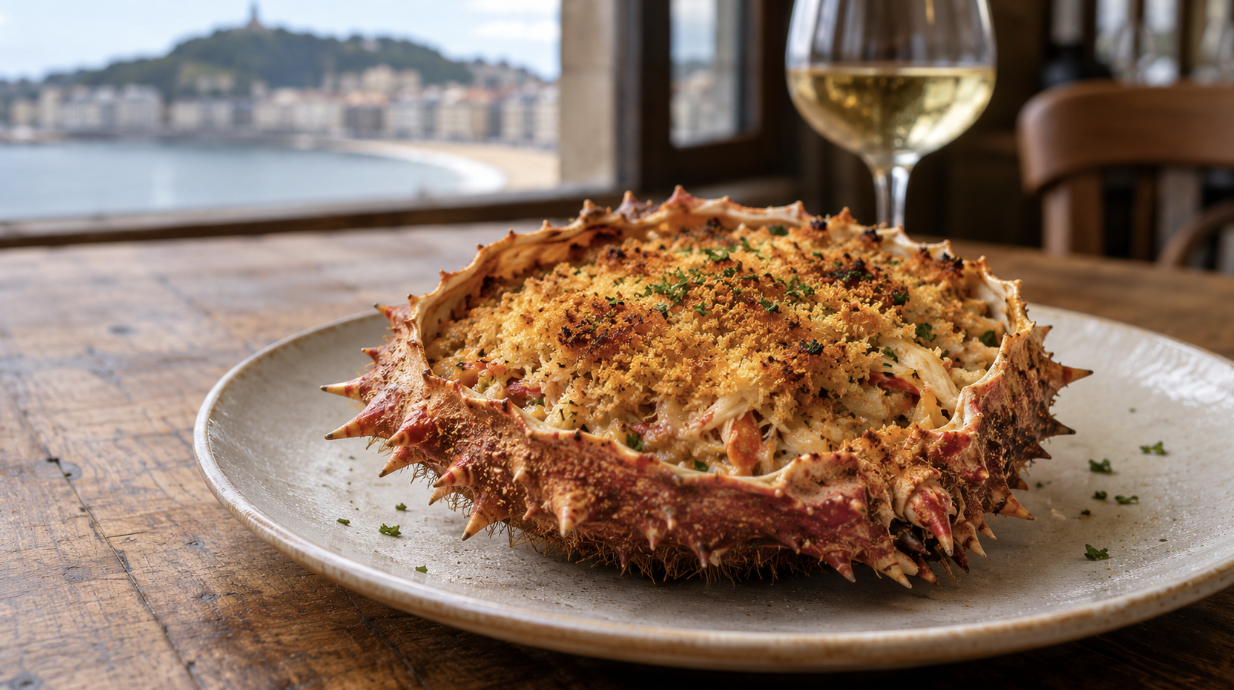
In San Sebastián, a plate of txangurro arrives at the table with the crab meat cooked, seasoned, and returned to the shell it came from. It is one of the most beautiful ways to serve spider crab. Then dinner ends, the shell is empty, and almost nobody asks the next question: where does it go? For most diners, the answer is the bin. For a small but growing group of scientists, engineers, and manufacturers, the answer is the start of a new industry.
The Shell Is Bigger Than the Meal
Crab, shrimp, and lobster shells are made largely of chitin, a tough natural polymer. Reviews of seafood waste report that shellfish processing leftovers can contain roughly 20 to 40 percent chitin. When chitin is chemically modified through a step called deacetylation, it becomes chitosan, a more versatile material that dissolves more easily and reacts with other substances. A peer-reviewed review of seafood waste as a source of chitin and chitosan notes that reusing fishing industry waste is still not common practice, that a large share of this biomass is discarded without treatment, and that much of it ends up as compost or low-value products such as animal feed and fertilizer.
That gap is the opportunity. A shell that ends up as compost still returns something to the soil, but a shell turned into a specialty ingredient can do more work and displace materials made from fossil fuels.
From Leftover Shells to Cleaner Water
Chitosan is attractive because it is biodegradable and works as a coagulant: it can bind to suspended solids and other contaminants in water so they clump together and are easier to remove. It is also studied in agriculture, where it is used in products intended to support plant growth and resilience, and in textiles and other materials. Researchers keep finding new uses, which is why the shell has moved from a waste problem to a raw material.
It is worth being clear about where the shells come from. Restaurants and home kitchens do not typically supply this industry. It relies on seafood processors, where large quantities of clean, meat-free shells are produced in one place and can be collected in volume. A spider crab shell on a Basque table is a lovely reminder of the idea, not part of the supply chain.
One American Example
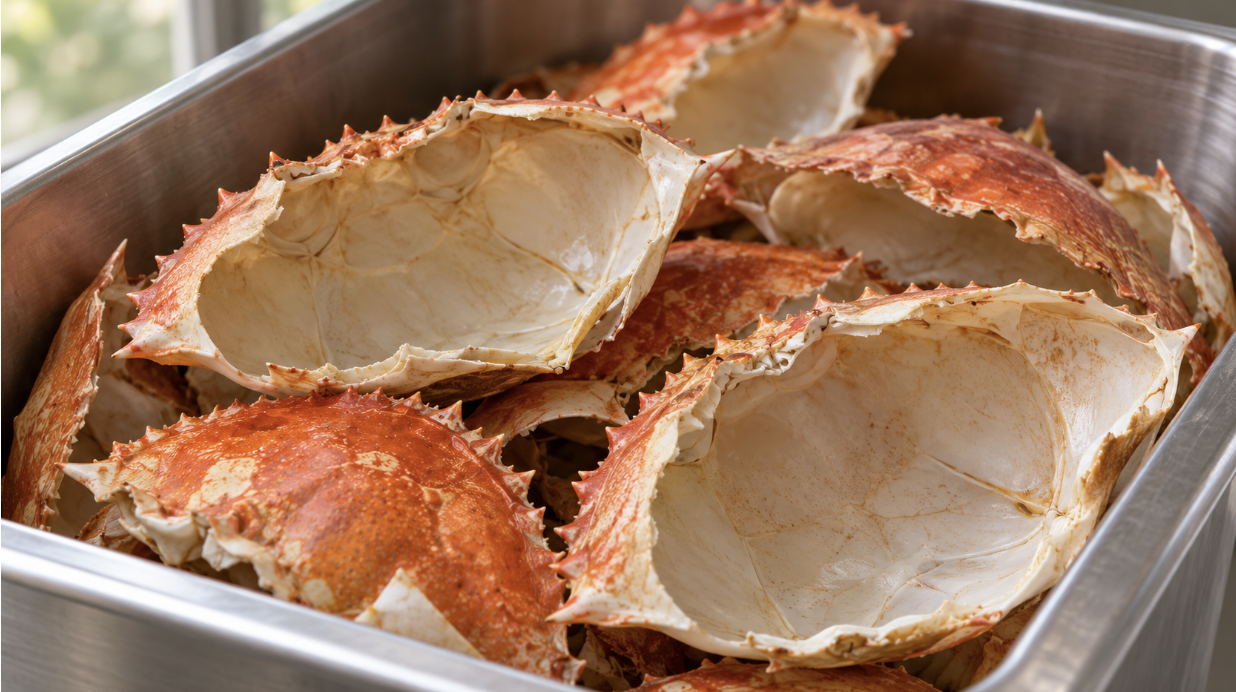
Tidal Vision, based in Bellingham, Washington, is one company working in this space. Founded in 2015 by a former Alaska commercial fisher, it says it turns discarded crab shells into liquid chitosan products for water treatment, agriculture, and textiles. In 2022 the company announced that one of its chitosan products had been certified by NSF International for use in drinking water treatment. These are the company’s own statements, and readers should treat them as such, but they show how far the material has travelled from a restaurant bin.
The Green Jobs Behind the Shell
Turning shells into a product takes much more than a clever idea. It takes people who can run and improve industrial processes, design control systems, formulate and test products, manage projects, and sell the result to customers. A look at the tidal vision jobs page shows the range. At the time of writing, the listings included process controls and control systems engineers, an instrumentation technician, a research and development chemist working on agricultural formulations, finance and operations managers, and regional sales roles, spread across a mix of on-site plant and lab positions and remote positions.
For someone who loves food and cares about the oceans, that is an interesting reminder that sustainability careers are not limited to conservation or policy. Many are technical and practical:
Process and controls engineers who keep production safe, consistent, and efficient
Chemists and lab scientists who develop and test formulations
Technicians who calibrate and maintain instruments and equipment
Finance, operations, and project managers who make circular-economy projects financially viable
Sales and product specialists who explain new materials to farmers, utilities, and manufacturers
What You Can Do at Your Own Table
You cannot send your shells to a chitosan plant, but you can still reduce waste at home. Shells from crab and shellfish make excellent stock and bisque, so save them and simmer them before throwing them away. Where local rules allow, compost what is left. When you eat out or buy seafood, ask where it comes from and whether the supplier has a plan for byproducts. Cooks, fishmongers, and diners all send a signal when they treat shells as an ingredient rather than as trash.
A Better Ending for Dinner
The next time a beautiful crab shell empties out at your table, it is worth remembering that it is full of potential. Cooks have long known that shells carry flavor. Scientists and engineers are showing that they carry value of other kinds too. Between the kitchen and the lab, there is a growing sense that what we once threw away can be the start of something useful.