
Dubai through flowers and food: markets, hotel rituals, and the art of edible petals
Picture this: you walk into the lobby of a five-star Dubai hotel, and before you even reach the reception desk, you smell them – tuberoses, garden roses, maybe jasmine. The arrangement is taller than you are. Later that evening, at a rooftop restaurant overlooking the Marina, your dessert arrives crowned with crystallised violets and a single borage blossom so blue it looks unreal. These aren't separate experiences. In Dubai, flowers and food have been quietly merging into a single sensory language – one that tells you exactly where you are.
What makes this city's relationship with blooms so particular is that almost nothing grows here naturally in the summer heat, yet flowers arrive daily through international flower delivery networks to fill hotel lobbies, private dining rooms, spas, and restaurant tables. Dubai turns those imported stems into part of its hospitality language: a rose in Arabic coffee, tuberose in a lobby, orchids beside afternoon tea, or edible petals scattered across a dessert plate.
Where markets set the tone: flowers beyond the souk
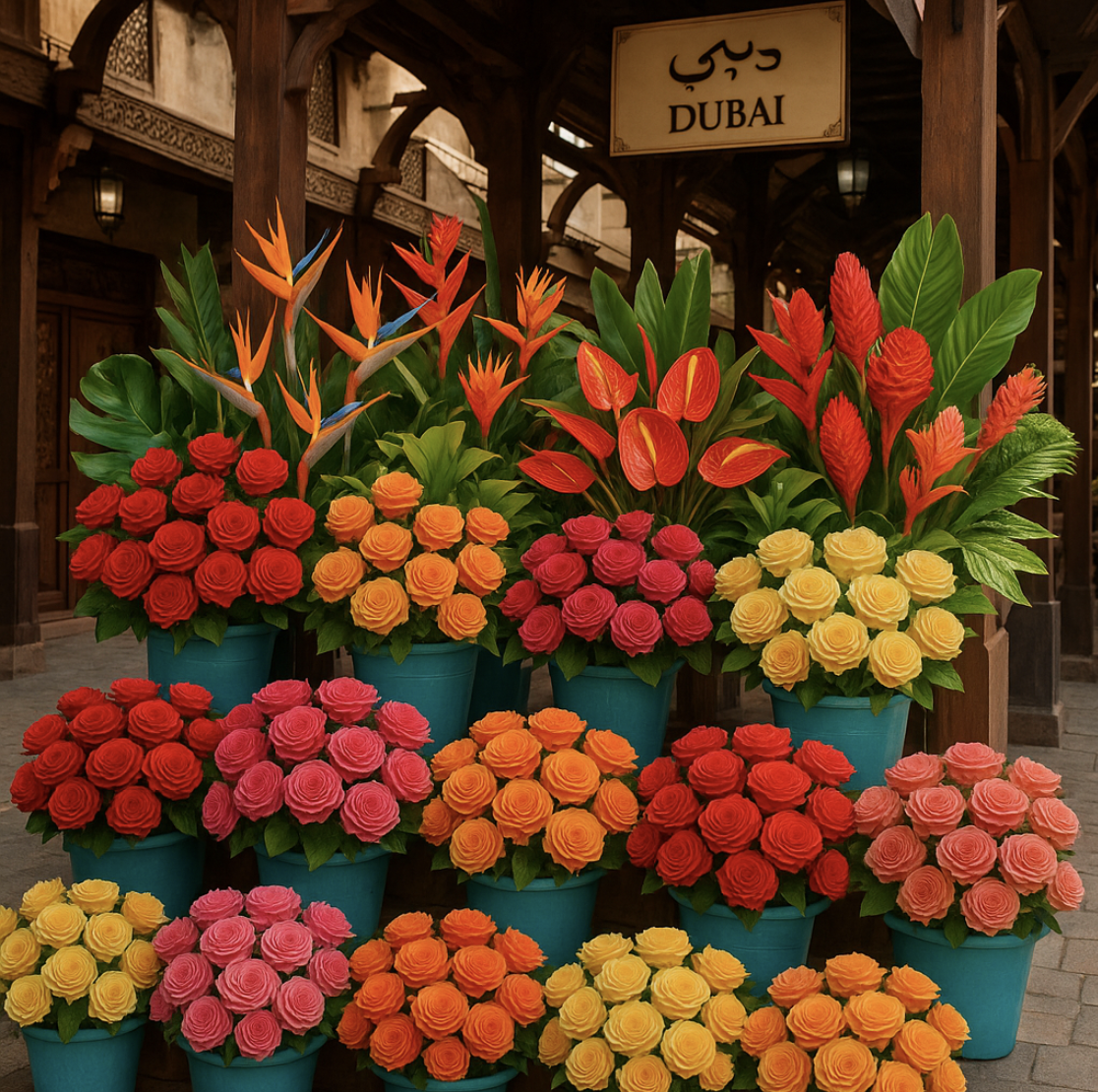
Most guides point you toward the old Flower Souk near Deira, and it's worth the visit. But the real story is bigger. Dubai's flower trade is fed by a logistics machine – stems fly in from Kenya, Ecuador, the Netherlands, and India, often reaching retail within 36 hours of being cut. The city's strategic position between East and West isn't just good for finance; it's a genuine advantage for perishable goods.
What you actually find at the markets
If you visit the Deira Flower Souk early in the morning – say 6 a.m. on a Friday – you'll see wholesale buyers from hotels and event companies haggling over bulk orders of carnations and chrysanthemums. By mid-morning, the crowd shifts to retail: expats picking up orchids, Emirati families choosing jasmine garlands for celebrations, tourists grabbing bouquets because, well, the prices are genuinely low compared to arranged deliveries.
A few things I've noticed that visitors often miss:
Seasonal shifts matter. During Ramadan and Eid, demand for white flowers – especially tuberoses and lilies – spikes. Vendors stock accordingly, and prices rise 20–30%.
Loose petals are a thing. Many stalls sell rose petals by the kilogram. Hotels and event planners buy them for bath rituals, table scattering, and even cooking.
Herbs blur the line. You'll find edible flowers like nasturtiums and marigolds sitting right next to bunches of mint and basil – a quiet signal that the boundary between "decorative" and "culinary" barely exists here.
Hotel floral rituals: more strategy than you'd think
Competitors in this space have covered the basics – lobby arrangements, VIP room upgrades, spa accents. That's all true, but it barely scratches the surface. What's genuinely interesting is the system behind it.
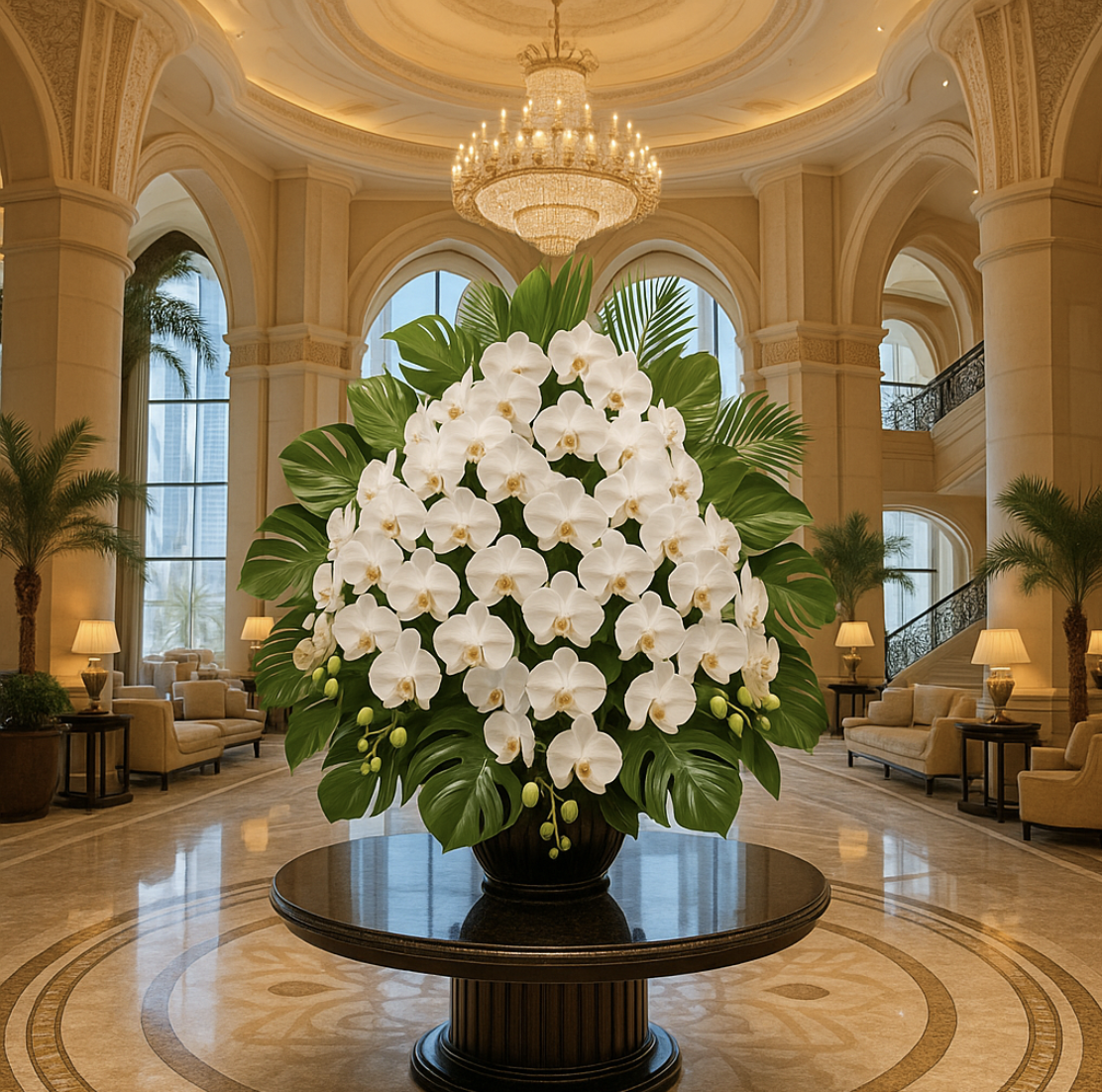
Major Dubai hotels employ in-house floral designers, sometimes entire teams. The Atlantis, One&Only, and Jumeirah properties rotate their lobby installations weekly – not just for freshness, but to create a sense that each visit offers something new. The Bulgari Resort on Jumeira Bay reportedly spends upwards of AED 50,000 per month on floral décor alone.
The rituals guests don't see
Here's where it gets specific. Before a high-profile guest arrives – a returning royal family member, a celebrity, a corporate group chair – the concierge team will often coordinate with the florist to place particular blooms in the suite. This isn't random. Many luxury hotels keep guest preference files that include flower allergies, favourite colours, and even cultural associations. White lilies, for example, might be avoided for guests from certain East Asian backgrounds, where they carry funerary connotations.
Some properties have introduced what I'd call "scent zoning" – using different floral arrangements to subtly shift the mood as guests move through spaces. Eucalyptus and lavender in the spa corridor. Bold tropical blooms – heliconias, birds of paradise – near pool entrances. Soft garden roses at turndown. It's environmental design through botanicals, and Dubai hotels do it with a precision you won't find in most other cities.
Edible flowers on the plate: beyond garnish
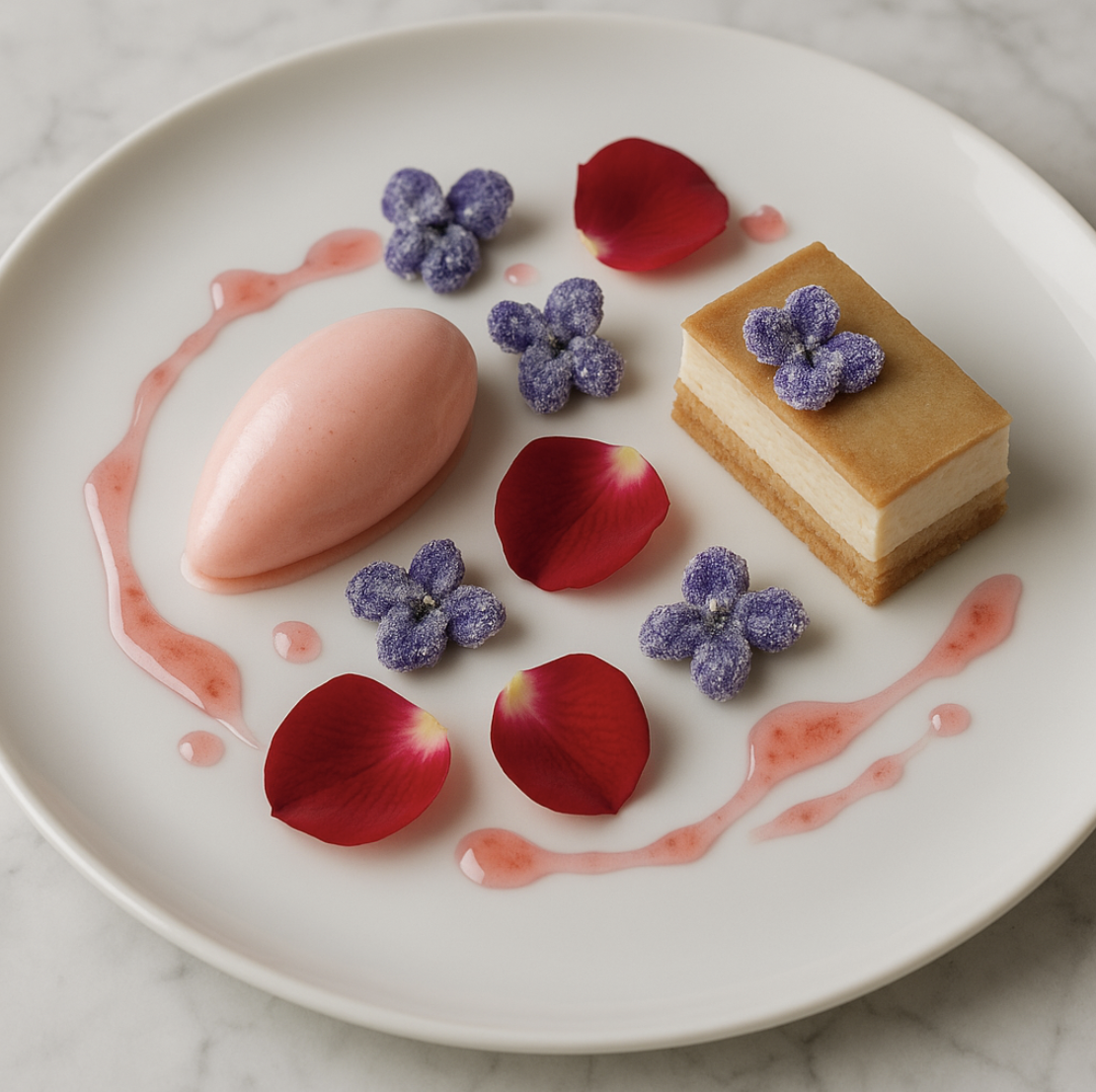
The conversation around edible flowers in Dubai's dining scene has matured rapidly. A few years ago, a pansy on a cake was considered adventurous. Now, chefs at restaurants like BOCA, Tresind Studio, and Ossiano are incorporating florals as functional ingredients – for flavour, aroma, and texture, not just Instagram appeal.
Which blooms actually end up in food?
Not every pretty petal belongs on a plate. Here's a quick breakdown of what Dubai chefs commonly work with:
Nasturtiums – peppery kick, used in salads and as a wasabi substitute in some fusion dishes.
Violets – mild sweetness, often crystallised for pastry or infused into syrups.
Hibiscus – tart, cranberry-like flavour. Shows up in beverages, reductions, and Emirati-inspired desserts.
Rose petals – deeply rooted in Middle Eastern cuisine. Used in everything from rosewater labneh to ma'amoul fillings.
Borage – cucumber-like taste, striking blue colour. A favourite for cocktail garnishes.
Calendula (pot marigold) – slightly bitter, saffron-like hue. Works well in rice dishes and soups.
A detail that competitors rarely mention: sourcing edible-grade flowers in Dubai requires care. Not every bloom sold at a florist is safe to eat – most commercial flowers are treated with pesticides. Restaurants either grow their own (some have rooftop or hydroponic micro-gardens) or order from certified organic suppliers, many of whom ship from Jordan, Oman, or southern Europe. If you're curious about how international flower delivery networks make these supply chains possible, the logistics are surprisingly sophisticated.
The Emirati angle: rosewater, saffron, and heritage
One gap I've noticed in most articles about edible flowers in Dubai is the connection to traditional Emirati and broader Gulf cuisine. Rosewater isn't a modern trend here – it's been in desserts like luqaimat and balaleet for generations. Saffron threads (technically the stigma of Crocus sativus) are foundational to machboos and harees. What's happening now is that contemporary chefs are taking these heritage ingredients and presenting them in new formats: rose petal gelato, saffron-infused foams, hibiscus reduction drizzled over grilled lamb.
This isn't cultural appropriation – it's evolution. And it's one of the things that makes Dubai's food scene genuinely distinct from, say, London or New York, where edible flowers tend to feel more decorative than rooted in culinary tradition.
Practical tips if you want to explore this world
Whether you're a resident, a tourist, or someone planning an event, here are a few actionable takeaways:
Visit the Deira Flower Souk before 8 a.m. for the best selection and to see the wholesale hustle. Fridays and Saturdays are busiest.
Ask your hotel concierge about floral customisation. Most four- and five-star properties will accommodate requests for specific blooms in your room – often at no extra charge for suite guests.
If you want to cook with flowers at home, source from organic farms in Al Ain or Ras Al Khaimah, or check speciality grocery stores like Kibsons and Barakat that sometimes carry edible-grade petals.
For dining experiences centred on florals, look at tasting menus at BOCA (DIFC), where seasonal flowers regularly appear in courses, or try afternoon tea at the Palazzo Versace – they incorporate edible blooms into their pastry programme.
Don't eat flowers from a regular florist. It sounds obvious, but it's a common mistake. If it's not labelled food-safe, assume it's been sprayed.
Why this matters beyond aesthetics
There's a larger point here that goes beyond pretty lobbies and fancy plates. Dubai is building an identity where luxury is multisensory – not just visual, but aromatic, tactile, edible. Flowers sit at the intersection of all those senses, which is why they keep showing up in unexpected places: in cocktail menus, spa treatments, corporate gifting, even perfume-making workshops at places like the Dubai Mall.
The city's flower culture also reflects its global connectivity. A bouquet at a Dubai hotel might contain Ethiopian roses, Thai orchids, and Dutch tulips – a microcosm of the city itself. Understanding the supply chains, rituals, and culinary traditions that revolve around blooms gives you a richer picture of how Dubai actually works, beyond the headlines.
That is why Dubai works so well for travelers who care about food, flowers, and culture at once. The city treats scent, color, service, and taste as parts of the same experience, so a meal, a market visit, or a hotel stay can all become a small study in how hospitality travels across borders.